

Rock Cycle
What happens to rocks after they are formed?
On Friday we learned about different types of rocks and how they were formed. If you missed it, you can see that lesson here: http://www.soundviewcamp.com/nature-blog/2020/4/10/types-of-rocks
Today we are going to learn about what happens to rocks after they are formed.

Photo: eschooltoday.com
Rocks on Earth’s surface are exposed to many things that break them down into smaller pieces of rock. This process is called weathering. Wind, water, chemicals, and natural disasters all cause weathering. The wind itself may cause pieces of rock to break off it’s parent rock but even more likely is that wind can carry something such as sand that wears away at rocks. Water is often the culprit of weathering. Think of the Grand Canyon. Overtime the force of the water pushing against the sandstone carved a deep path, the canyon. This happens with ice as well. The Puget Sound was formed by glaciers that carved out the path that water now fills. Often water, liquid or solid, will also carry rocks with it. When these rocks hit other rocks it causes weathering as well. Water can also get stuck in the cracks of rocks and freeze. When water freezes it expands, causing the crack in the rock to get wider until it breaks off. Earthquakes, landslides, volcanic eruptions and more are also responsible for weathering.
After the rocks break they are carried away from their original location and brought somewhere else. This process is called erosion. Wind, water, and natural disasters move rocks in addition to breaking them. Gravity is another force that causes erosion. As the rocks travel away from their original location they may be dropped in another location such as the base of a mountain, the end of a river, or a sand dune. This process is called deposition. Sometimes these small rocks, such as sand, move again but sometimes they stay there. As more sand, silt or mud piles up in layers, it can eventually create sedimentary rocks.

Photo: USGS.gov
The rocks that are underground go through different changes. Some maybe transformed into a metamorphic rock by heat of magma or the pressure of rocks being pushed together. In some areas of the Earth, the rock gets pushed underground and is melted, joining the underground magma. This magma can then become either intrusive or extrusive igneous rock. This process is called subduction and is currently happening off our coast.
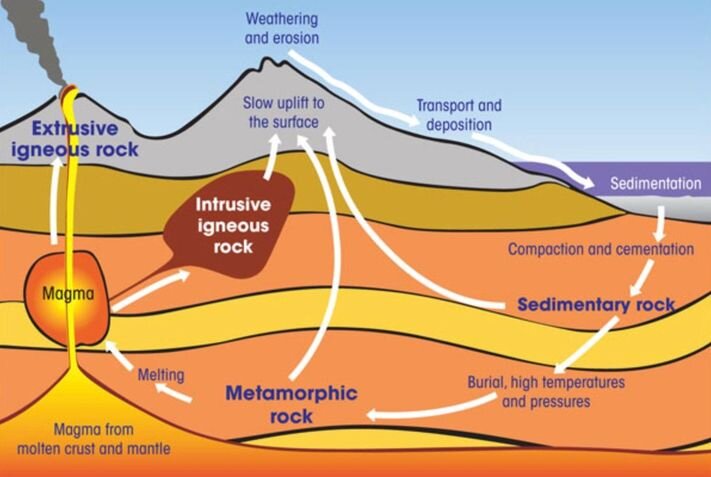
Rock Cycle Photo: forbes.com

Types of Rocks
This post rocks!
We see them everyday though we often don’t pay too much attention to them until one gets stuck in your shoe. However, rocks can hold information on an area’s past, they contain minerals important for life and they form beautiful landscapes around us.
All rocks are made up of minerals. Minerals are made of a single substance and are formed in orderly and predictable patterns. For example, the mineral quartz is made up of Silicon and Oxygen (SiO₂) and forms a specific crystal structure. Rocks are combinations of minerals that are stuck or fused together by a process that involved intense heat and/or pressure. Geologists, scientists who study rocks, separate rocks into three categories based on how the rock was formed: Sedimentary, Igneous, and Metamorphic.
Sedimentary
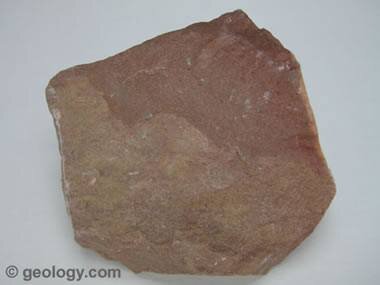
Sedimentary rocks are formed from the layering of smaller particles such as sand, silt, clay etc. As these particles build up, the weight of them pushes down on the layers below. This pressure forms the rock. For example, when sand is compressed it forms Sandstone and silt forms Siltstone. Animal and plant remains can be trapped in the layers as well, creating fossils. You can only find fossils in sedimentary rocks because it is the only one that is formed without intense heat. Also, a type of sedimentary rock called limestone is formed from the calcium shells of past seashells and plankton.
Igneous
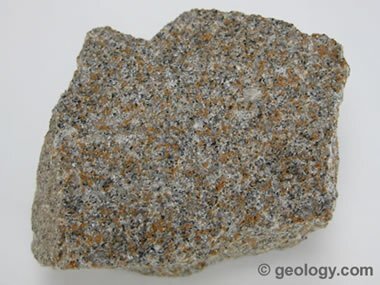
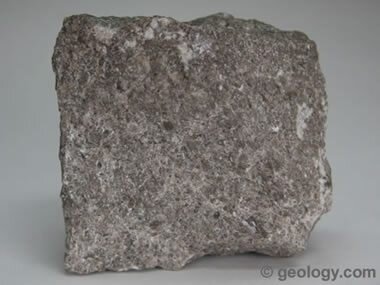
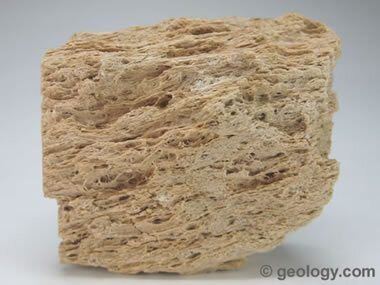
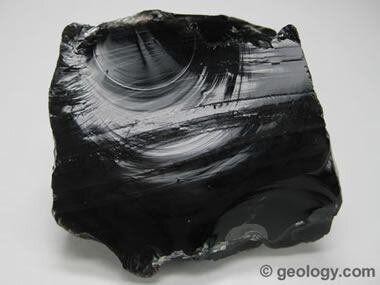
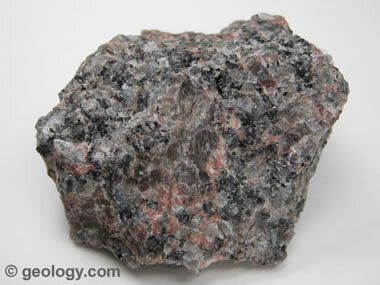
Igneous rocks are formed when magma or lava cools. Rocks formed from magma underneath the surface of the Earth are Intrusive Igneous while ones that forms from lava on the surface of the Earth are called Extrusive Igneous. Magma cools very slowly underground. This causes the Intrusive Igneous rocks to have large mineral crystals in it. An example of this is Granite where you can see the clear-ish quartz, the shiny black mica, and the white to pink feldspar. Lava cools much quicker on Earth’s surface either because of the air or water. Examples of Extrusive Igneous are the light Pumice, black Basalt, and the shiny Obsidian. How quickly the lava cools as well as the chemical make up of the lava play a huge role in what type of rock it becomes.
Metamorphic
Metamorphic rocks form under large amounts of heat and pressure and/or chemical processes. They form from Sedimentary or Igneous rocks that go through changes in structure and composition because of these things. This transformation mostly happens deep underground where the shifting of the Earth or the heat from magma causes the changes to happen. Some metamorphic rocks have a layered appearance (lines of mineral through them), such as Gneiss (pronounced like “nice”). This forms because the minerals melt and re-crystallize. An example of a metamorphic rock that does not appear layered is Marble. It is formed when limestone undergoes extreme heat and pressure.
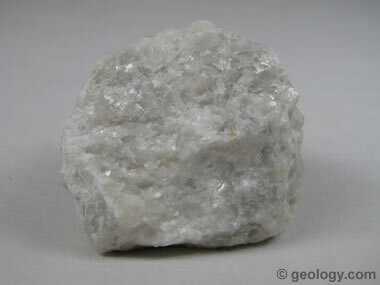
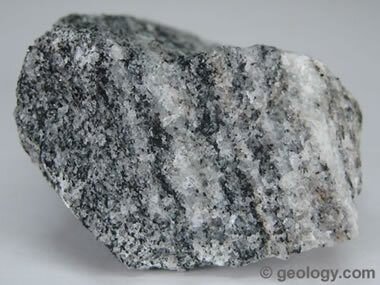
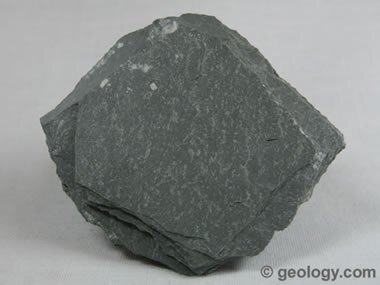
All photos are from Geology.com. It is also a great resource if you want to learn more and see more examples of these rocks!
In summary, Sedimentary rocks form through layering of material. Igneous forms from the cooling of magma and lava. Finally, Metamorphic rocks are formed when another rock is put through heat and pressure that changes it’s structure.