Stinging Nettle
Though the stings are irritating, this plant can be quite useful.

Stinging Nettle (Urtica dioica) is a plant that many people dread running into on the trail. Despite the pain it causes, it is a very interesting and useful plant. Subspecies of this plant are found in many parts of the world, especially in moist forests and riparian zones, along rivers/streams.
Stinging Nettle gets its name from the needle-like hairs, or trichomes, on the stems and bottom of the leaves. When the trichomes come in contact with something like an animal’s skin they inject chemicals: acetylcholine, formic acid, histamine, and serotonin. The formic acid causes some of singing sensation. Some ants also use formic acid to protect themselves. Histamine is what your body releases when something you are allergic to enters your body. This chemical, alongside with acetylcholine and serotonin, causes a rash to form and may cause some of the pain as well.

Stinging Nettle Flowers
The stinging adaptation that Stinging Nettles have discourages many animals from eating it. However, some caterpillars and aphids are able to munch on the leaves. When it is dried, cooked, or carefully picked it can be eaten by humans and livestock. Stinging Nettle is actually very nutritious. It contains many vitamins and minerals in addition to it being high in fiber and protein. They are best when the leaves are new and the stalk is only about a foot high. The cooking process breaks the needles so they no longer sting. Boiling it also makes a tea that many people have used to treat various medical conditions. Not much research has been done to prove the tea is effective, however. Because they also have a lot of nitrogen, an element that plants need to grow, they are also often used in fertilizer and compost. Lastly, the strings in the stalk of the Stinging Nettle have been used in making textiles, or fabric.

More Flowers!
We have more flowers coming and going around camp! Why do different plants bloom at different times?
As spring continues, more and more flowers are coming and going. Why do different plants flower at different times? How does a plant know when to flower?


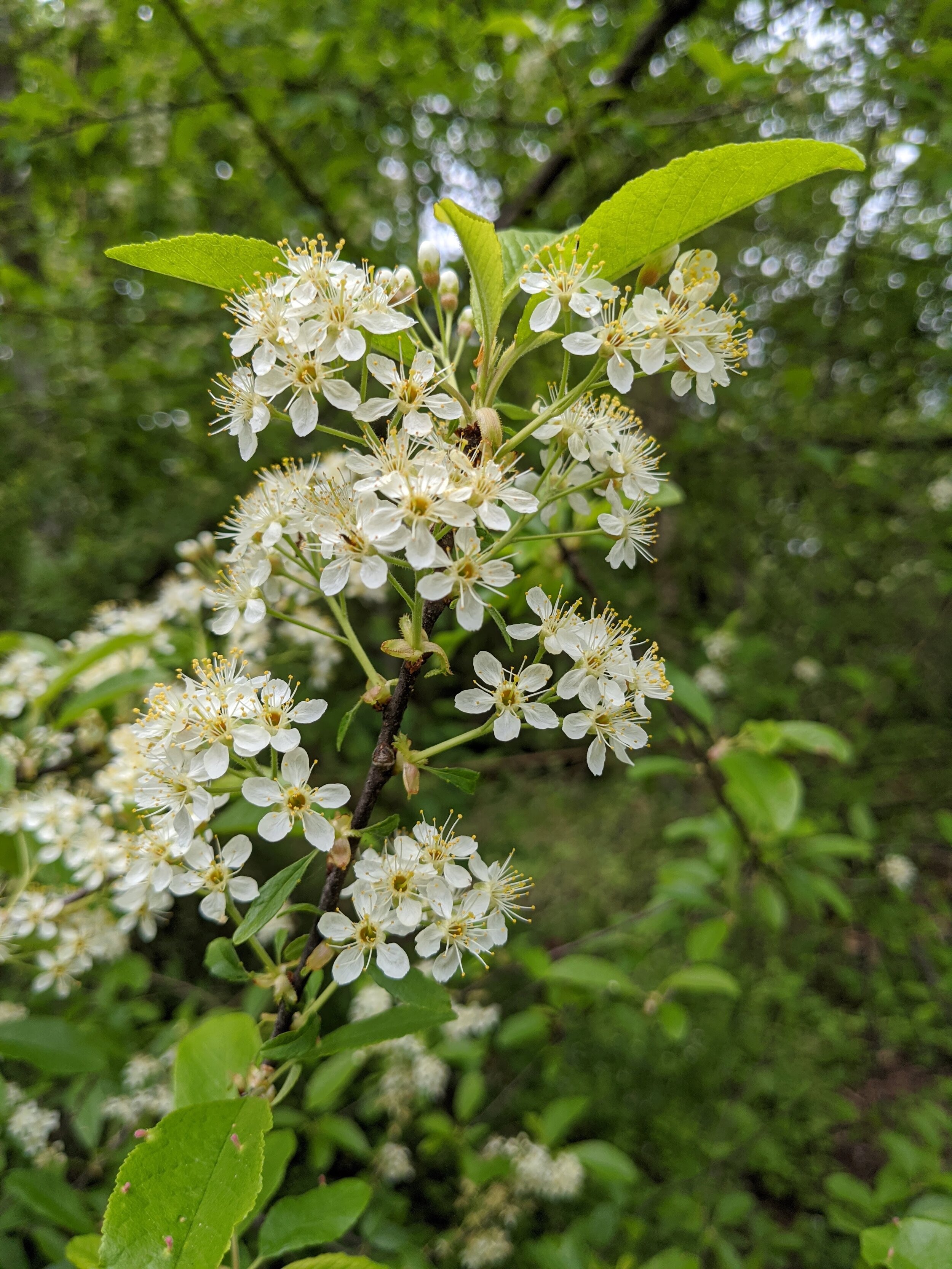
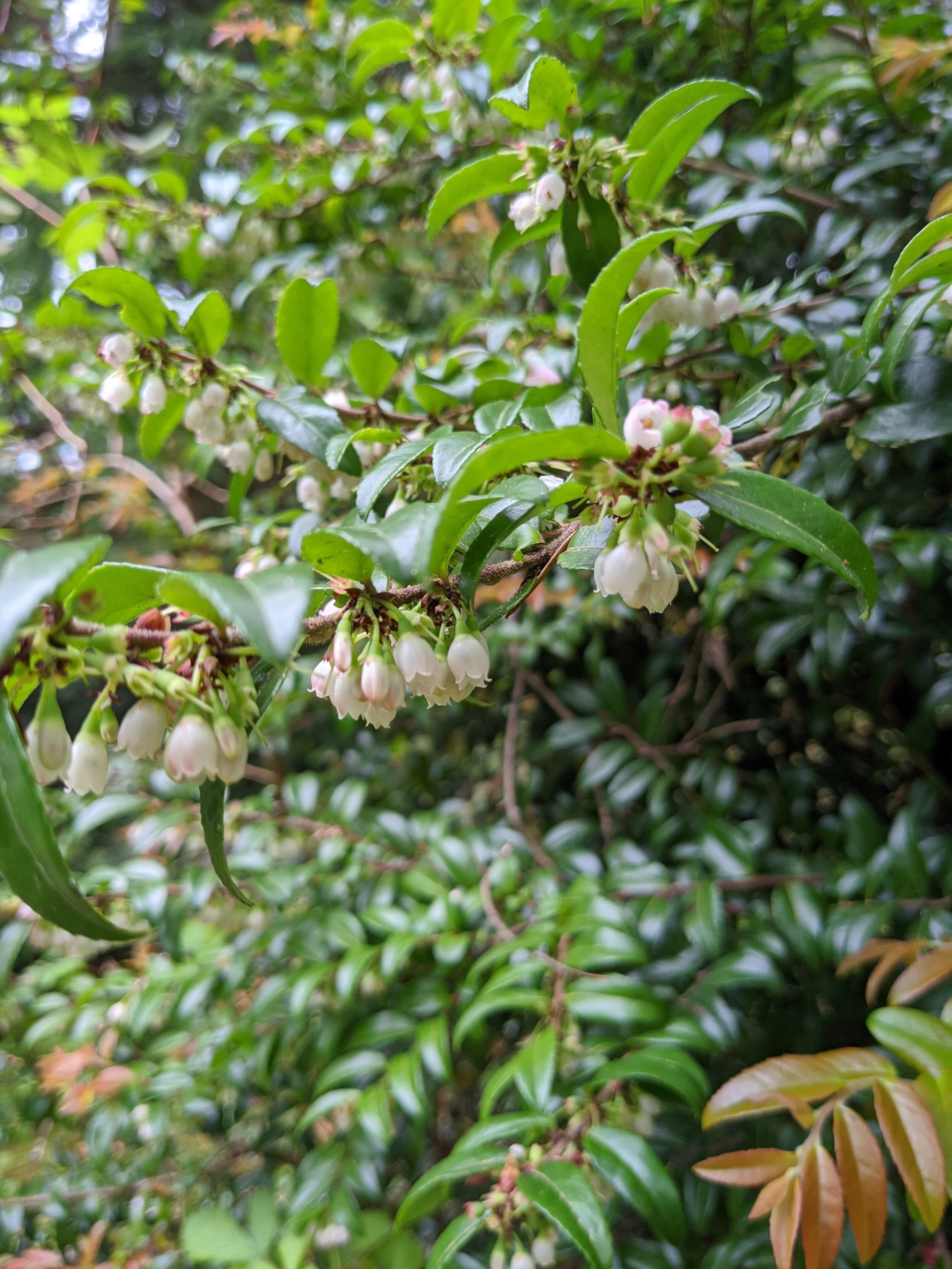

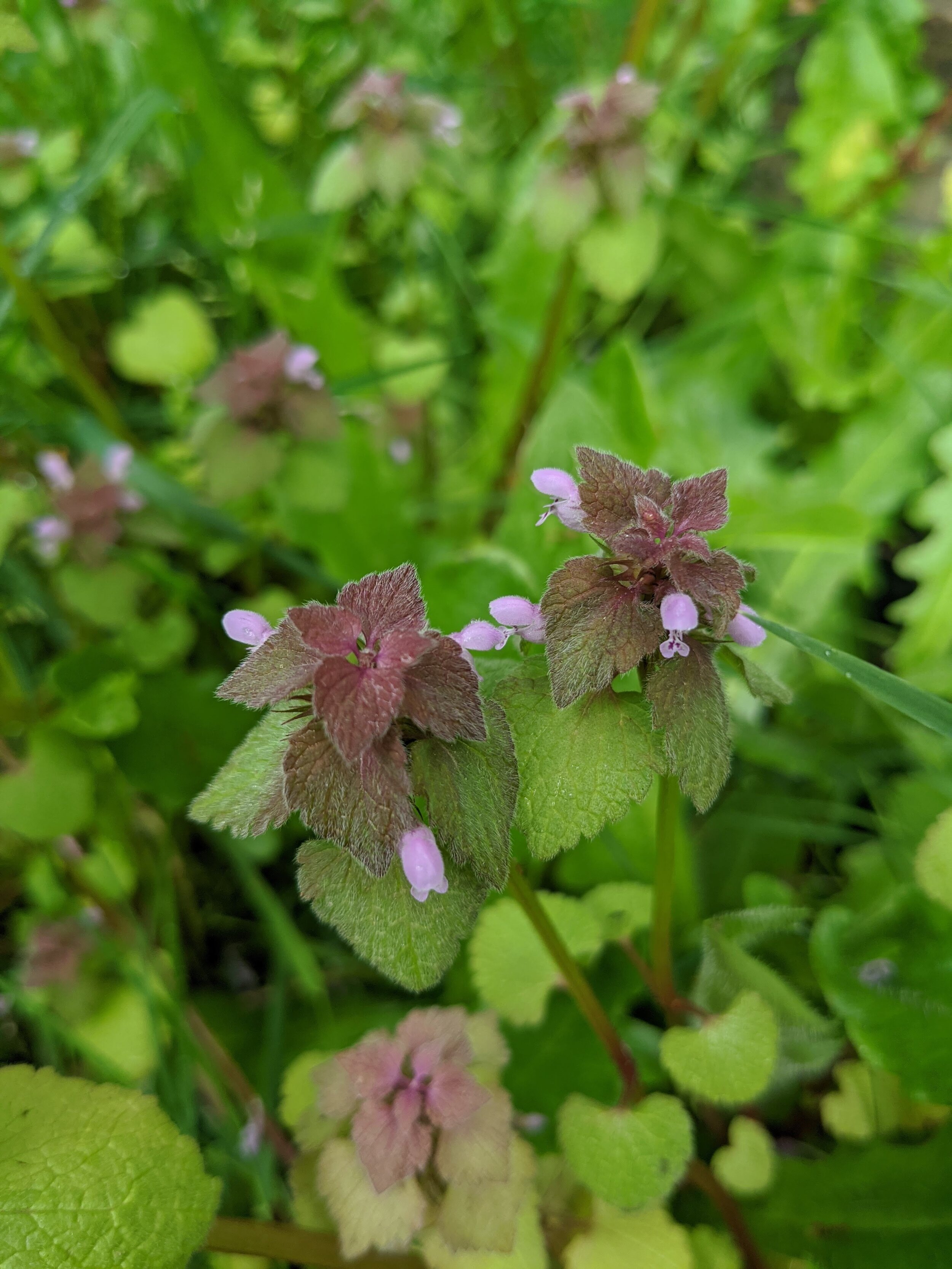


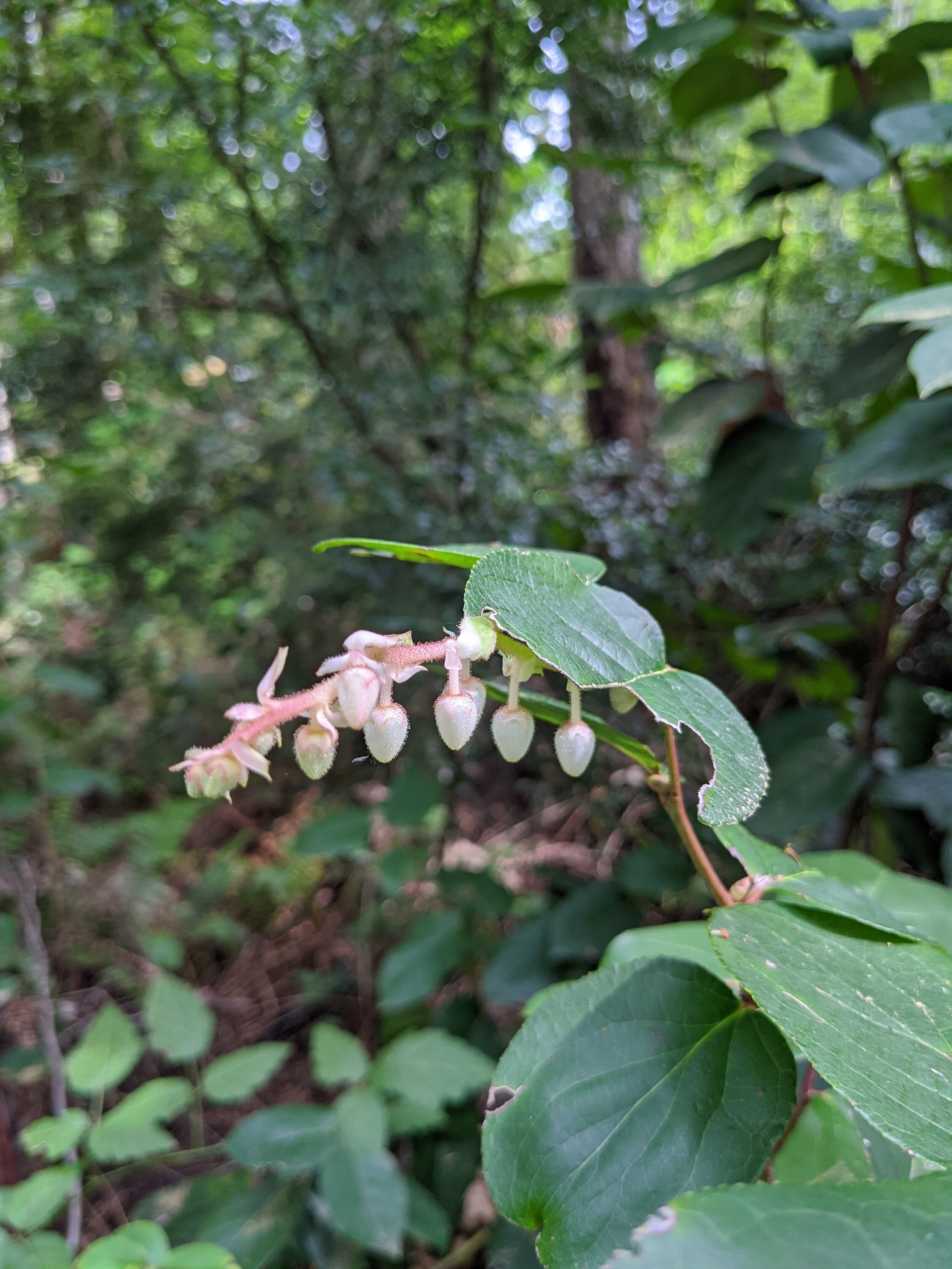
Depending on the plant there are many things that can start the production of flowers. Day length, amount of sunlight, rain, and temperature are all factors that influence a plant’s signals to start blooming. This signal is in their DNA. In a simple definition, DNA is much like the microscopic instruction manual inside of every living thing on Earth. It produces proteins that tell living things how to grow and function. Different plants have different requirements for when they can start blooming. With some plants, once one starts blooming, it sends chemical signals, called pheromones, through the air to other plants of the same type to start blooming too. This way they can reproduce successfully.
The progression of flowers from different species blooming throughout the spring and summer is important because they provide food for pollinators and other animals. Long term changes in weather and temperature (climate change) are having an effect on when and for how long flowers bloom. The study of when plants bloom, seed, lose leaves, ect is called phenology. Phenology literally means “the study of phenomenons.” In this case we study the how climate affect the cycle of plant growth, a natural phenomenon. It is something you, as a citizen scientist, can help scientists collect more data on. posting pictures of flowering and non-flowering plants throughout the year on iNaturalist helps provide data for phenology research. Another great resource and way for you to help with phenology is through the National Phenology Network: https://www.usanpn.org/usa-national-phenology-network . Learn more about citizen science and iNaturalist here: http://www.soundviewcamp.com/nature-blog/2020/4/17/the-at-home-naturalist-citizen-science
Check out the flowers and more at our self-guided day adventures happening now! Find out more and register here: http://www.soundviewcamp.com/new-events/2020/5/6/sound-view-day-adventures

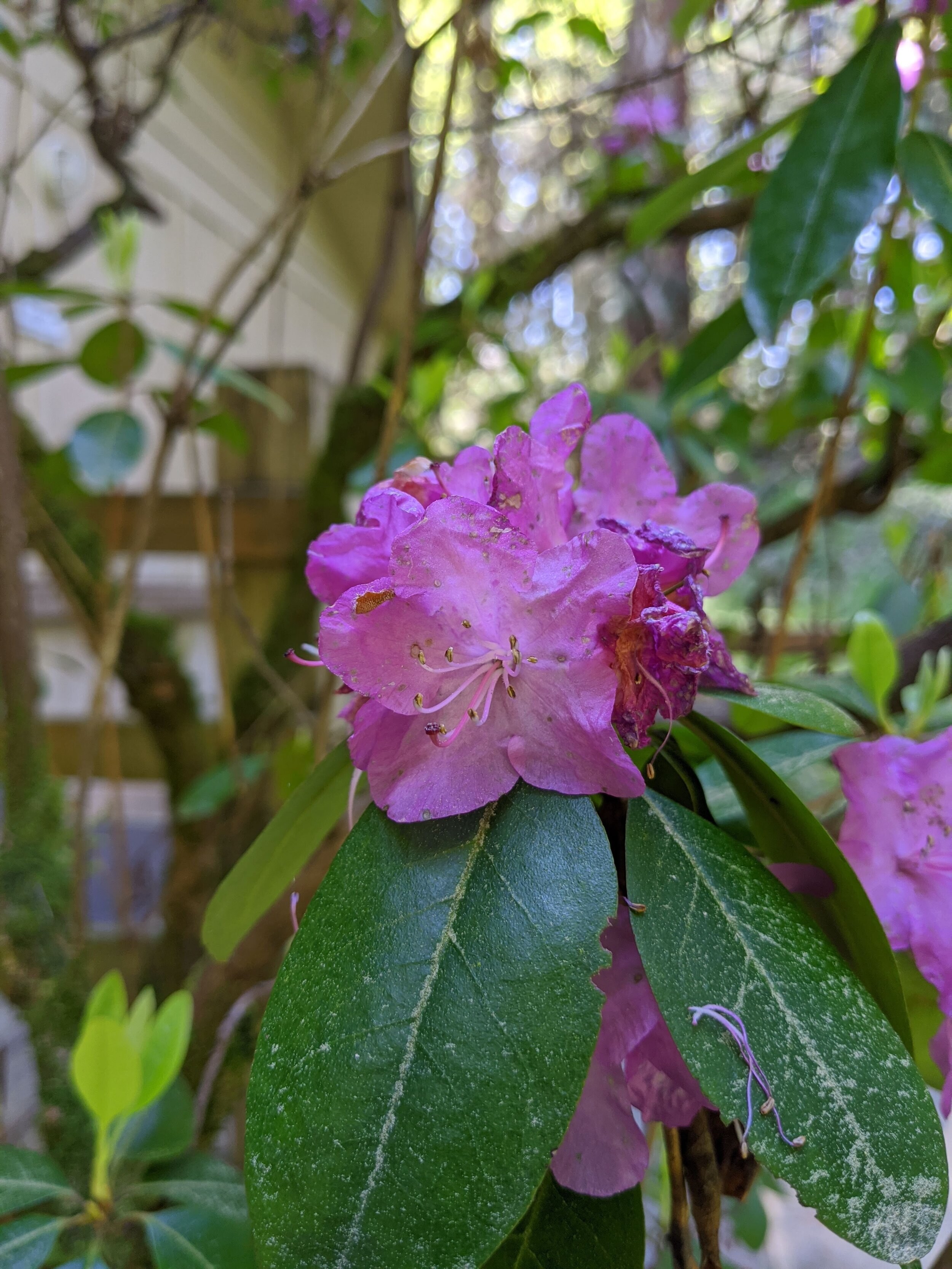
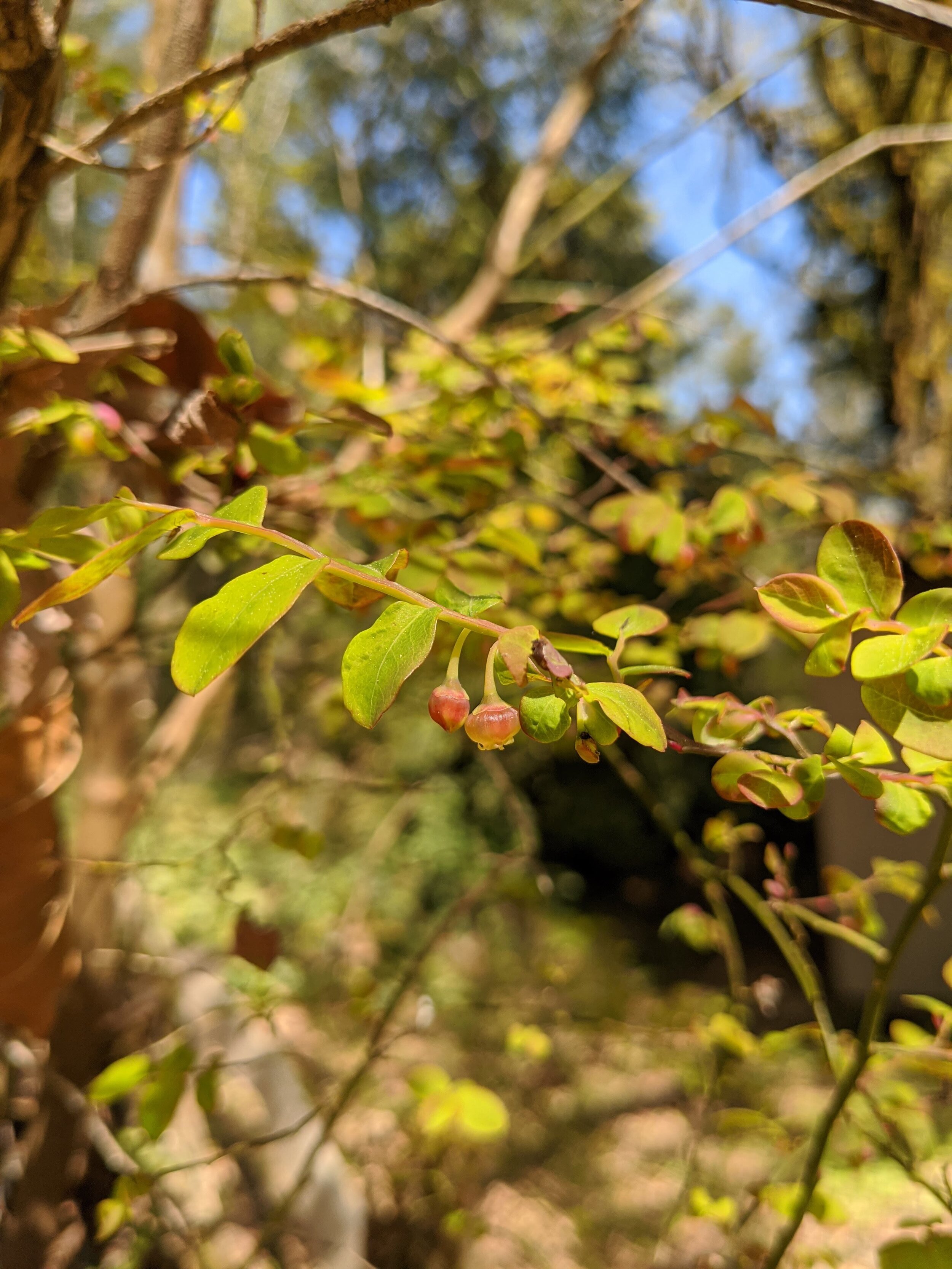
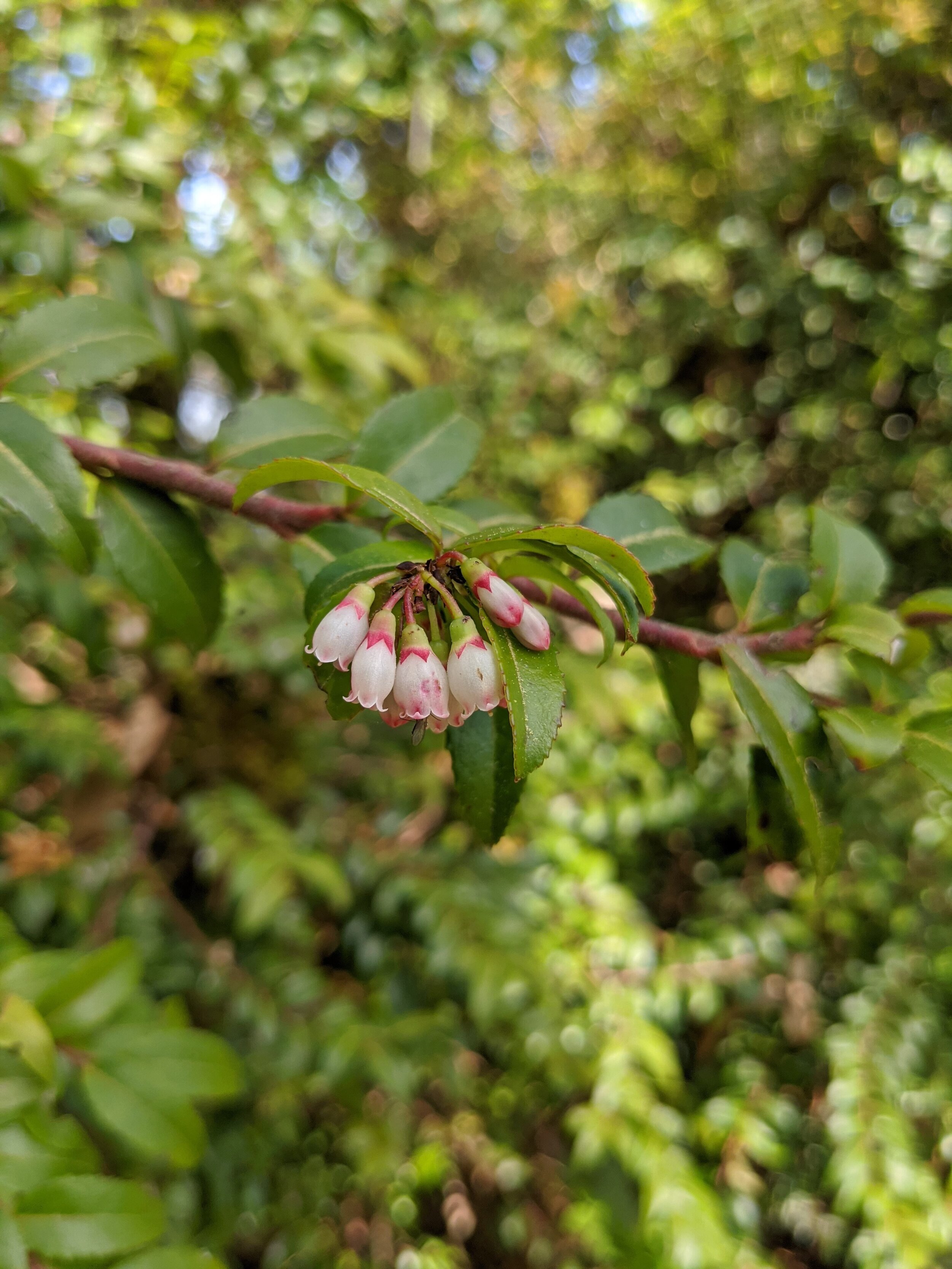
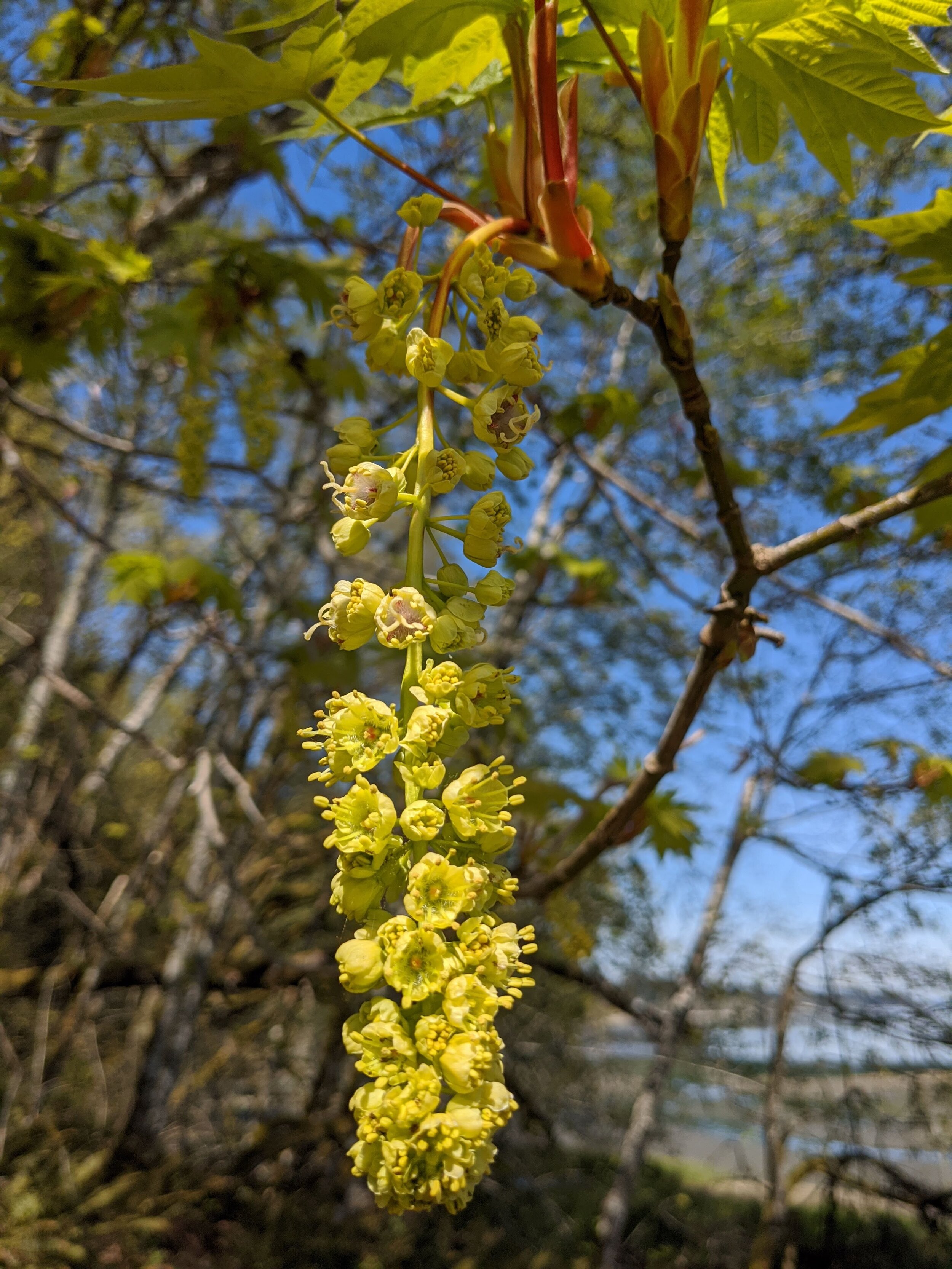
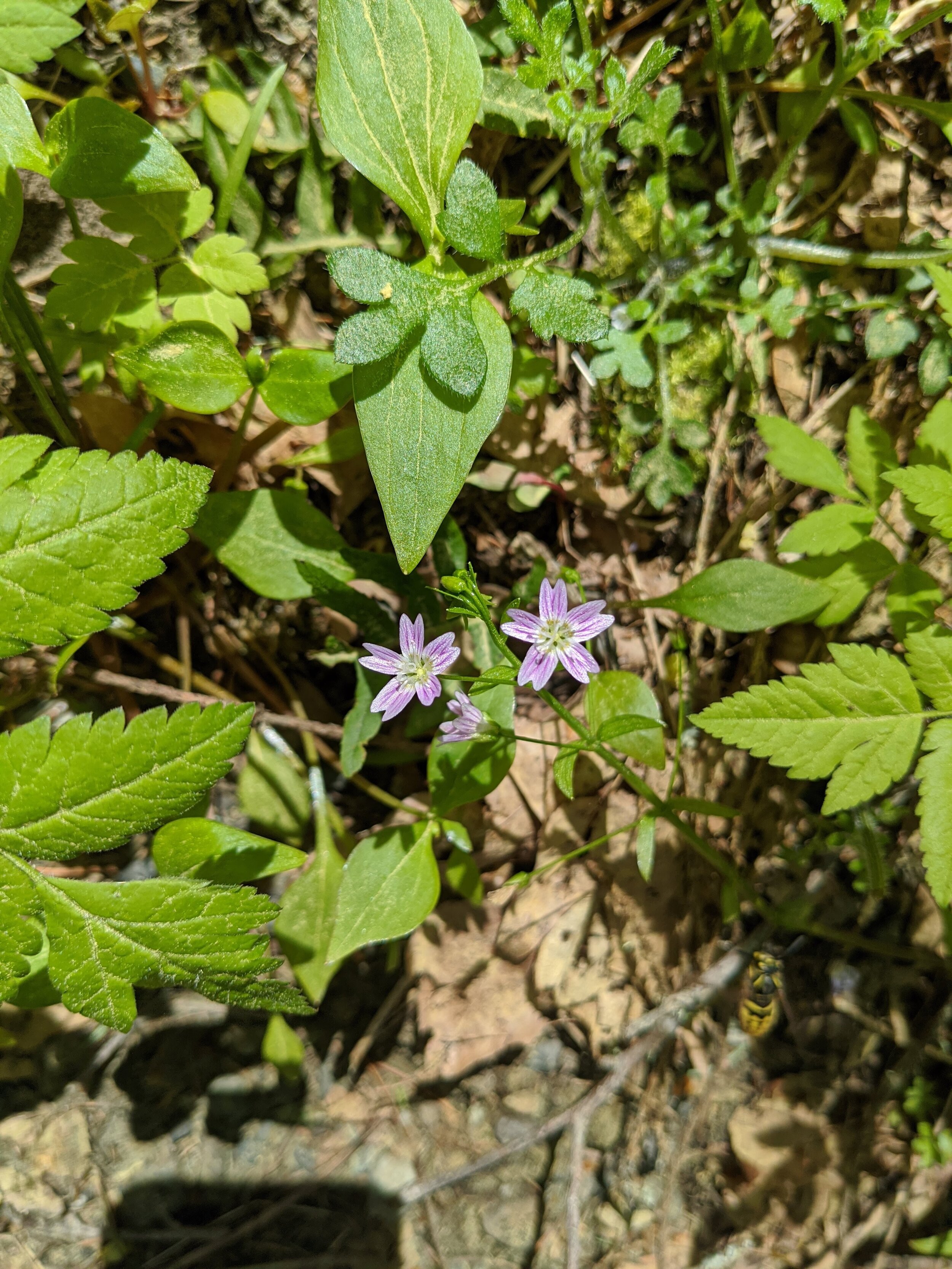
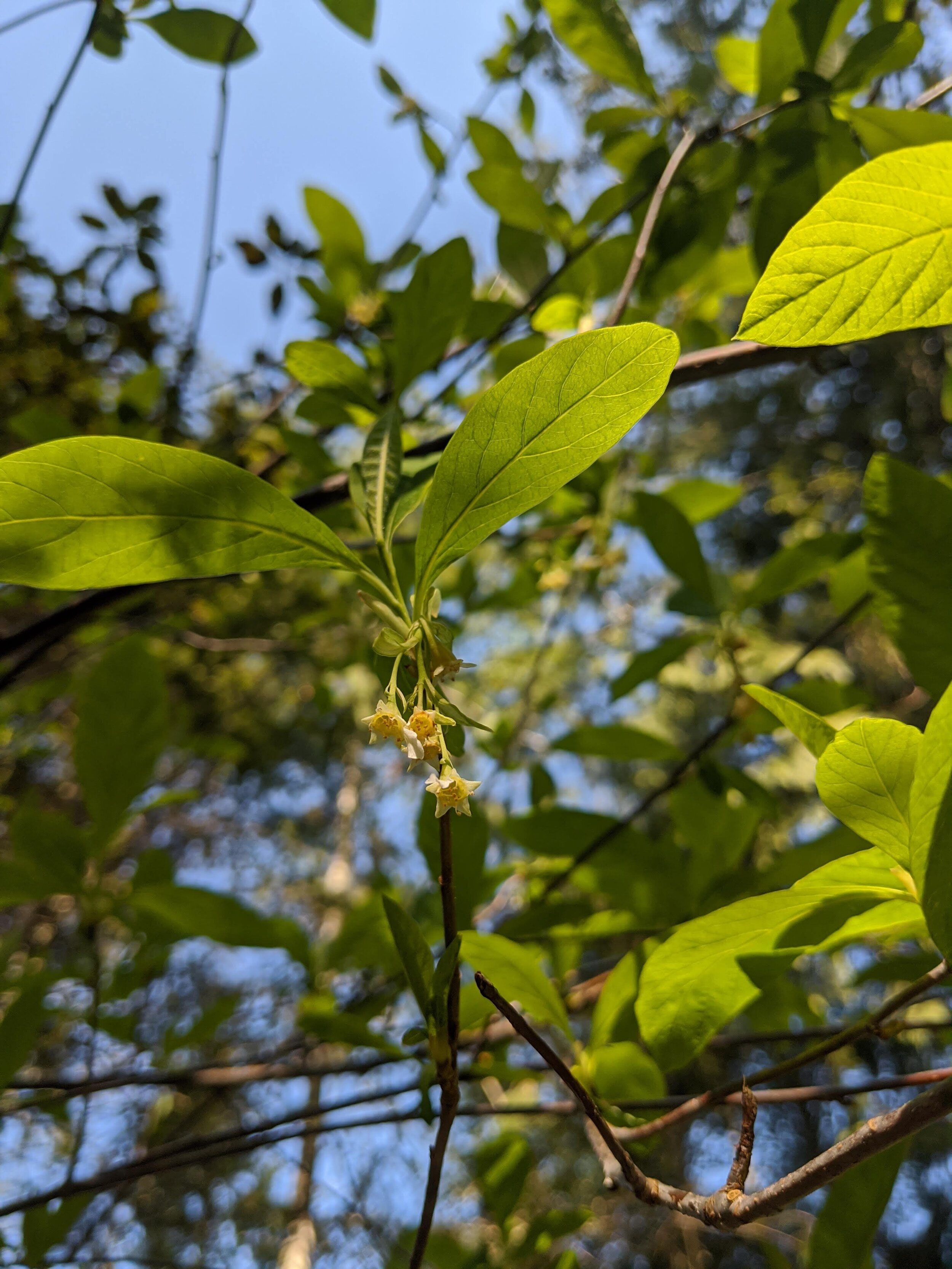
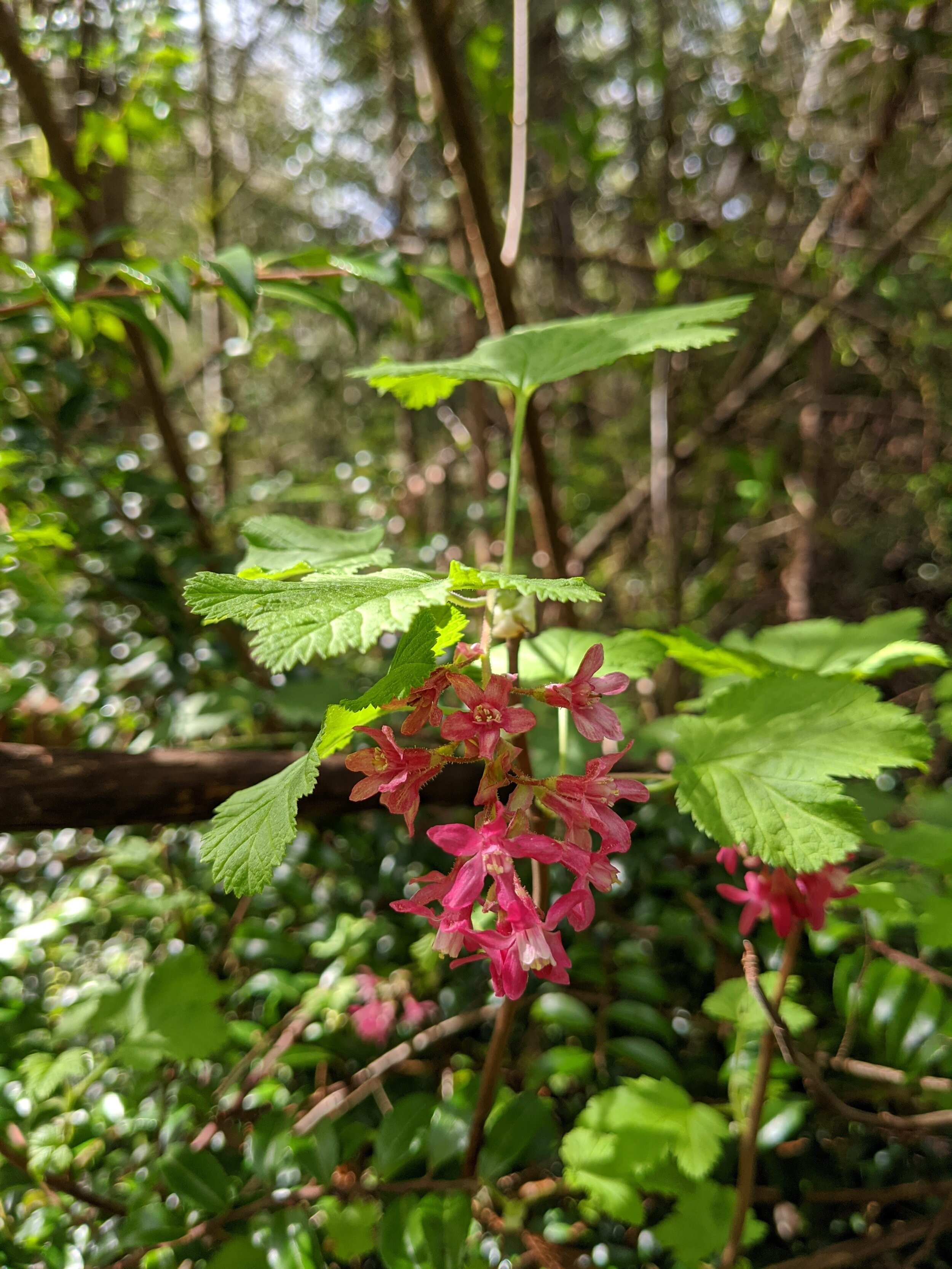
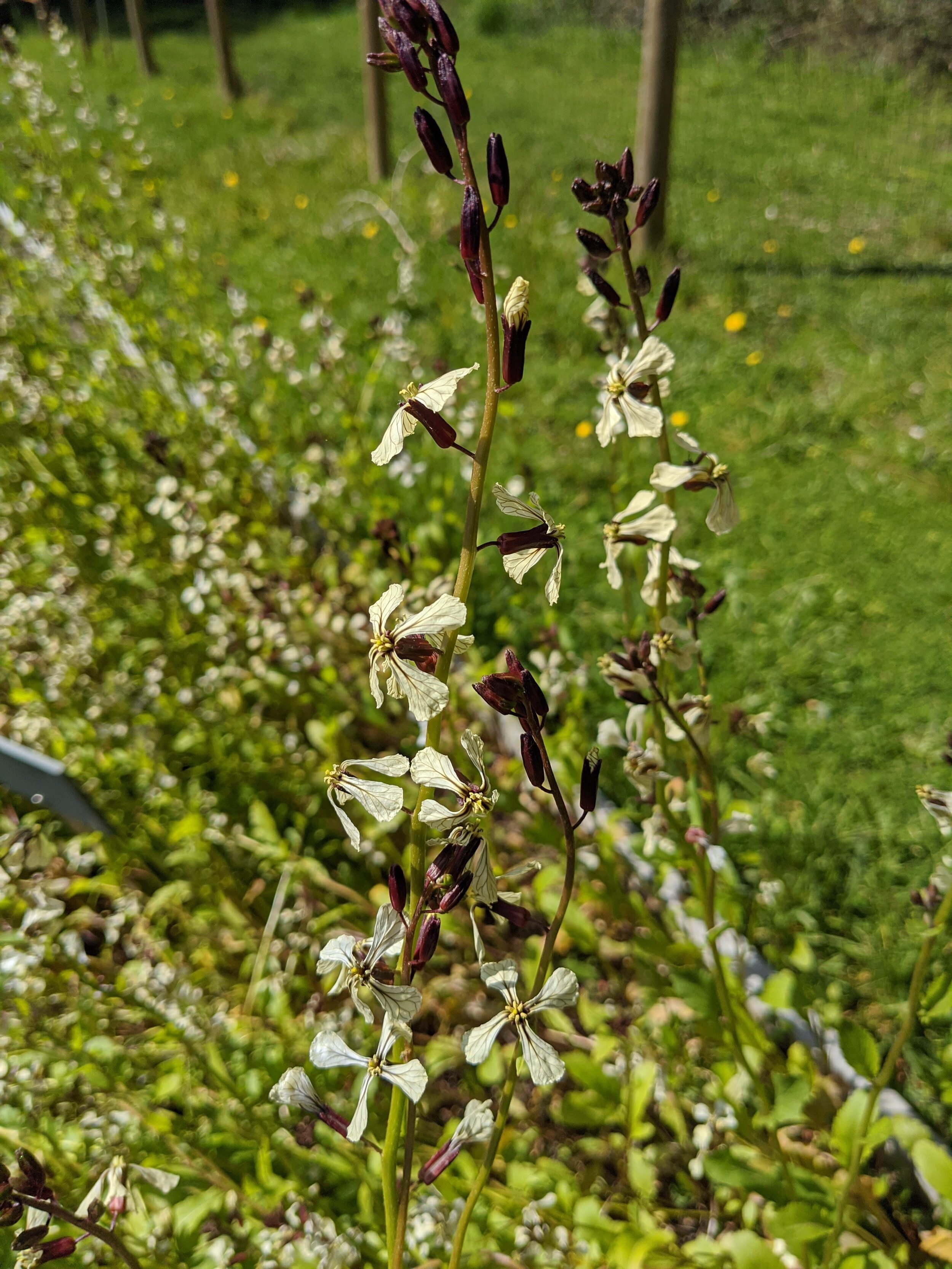
Flowers of Sound View
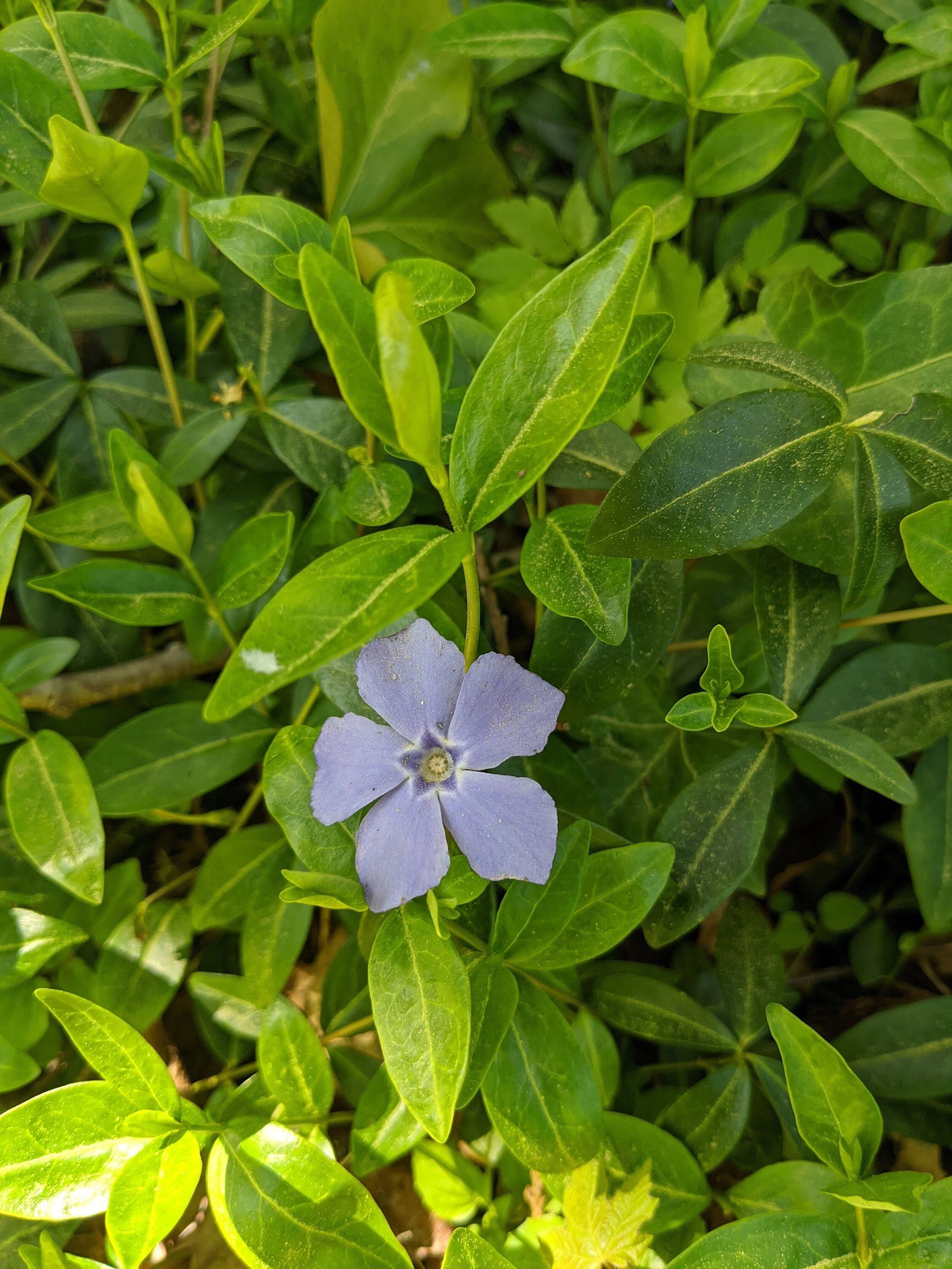
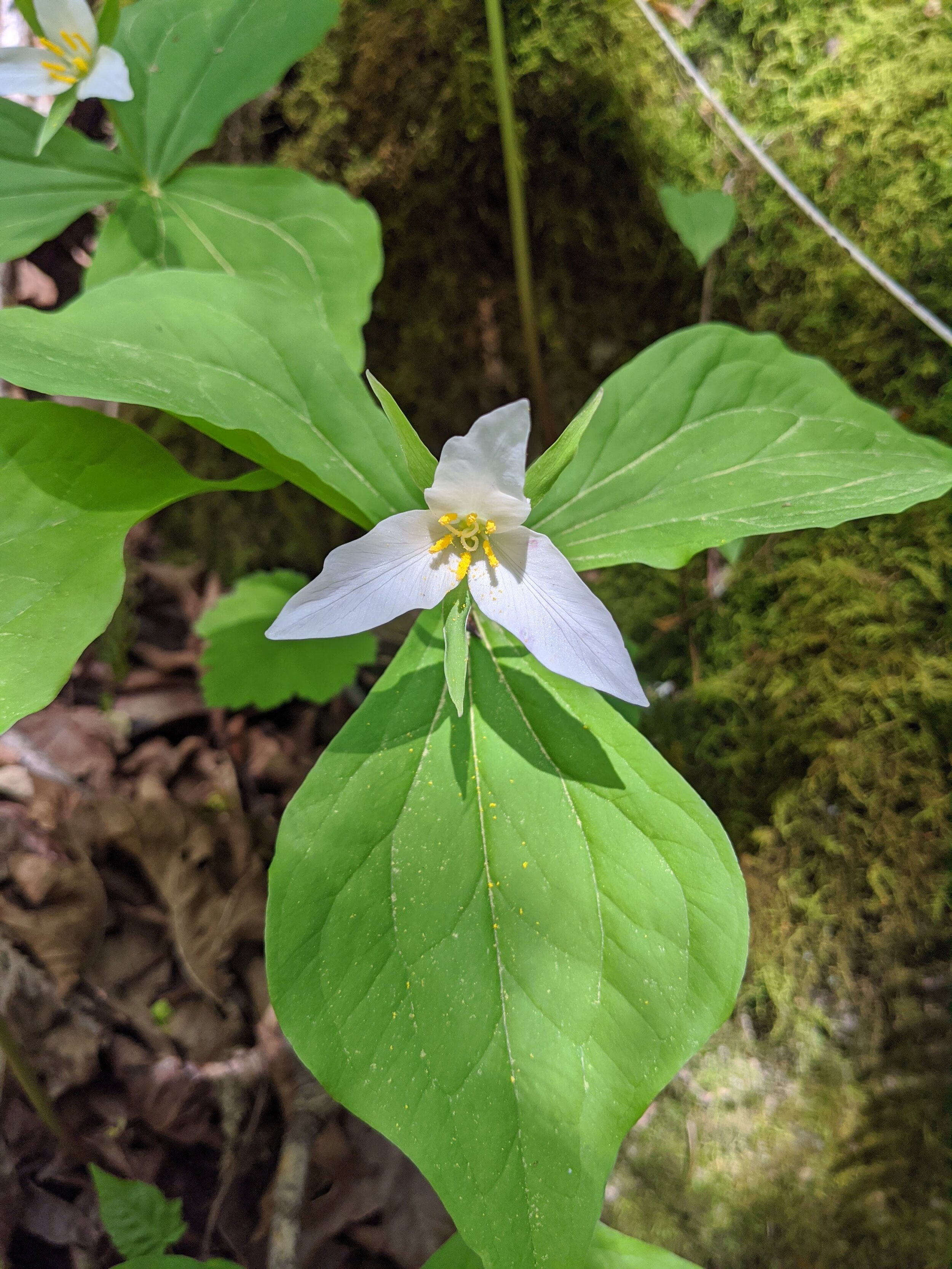
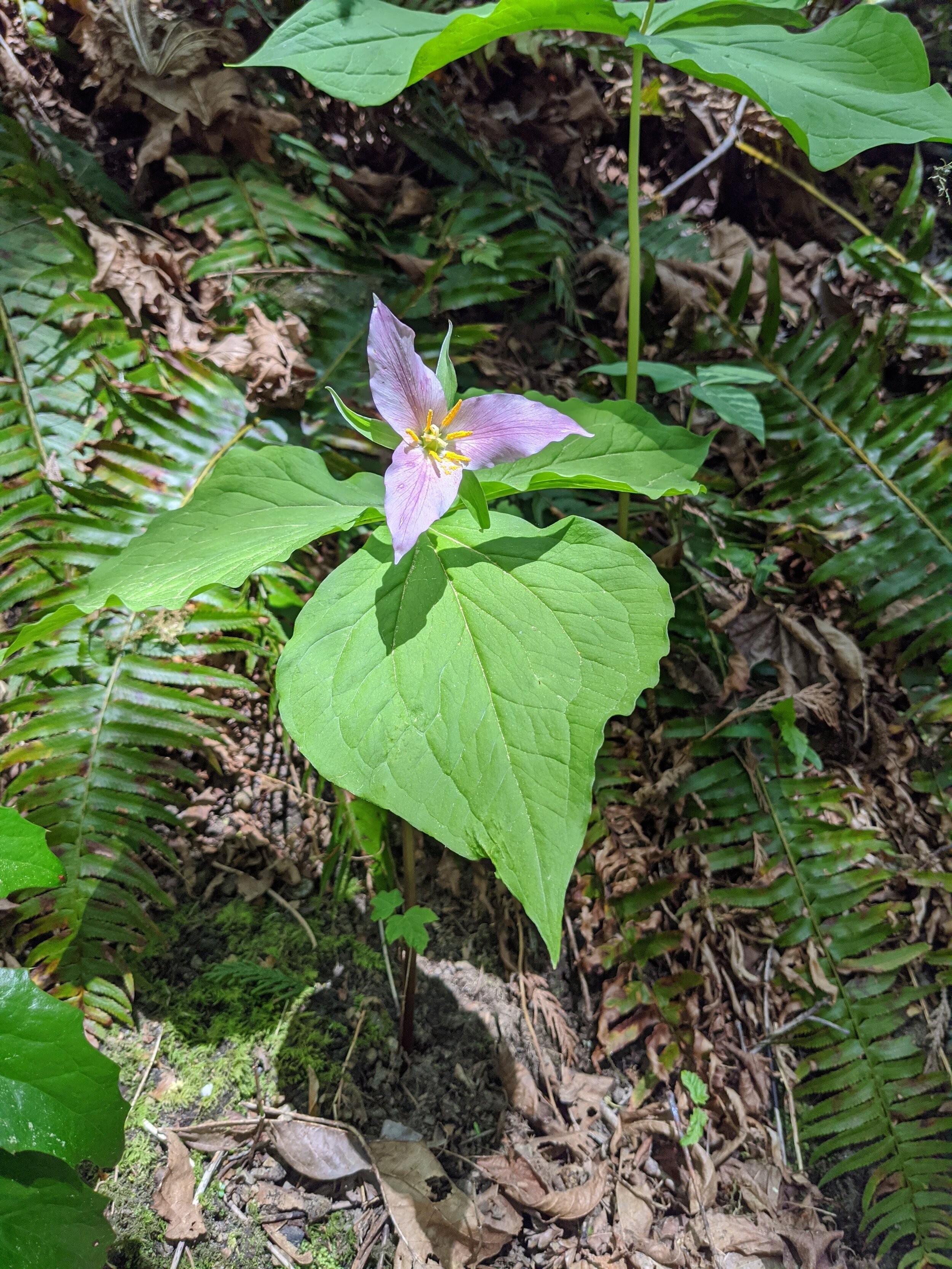
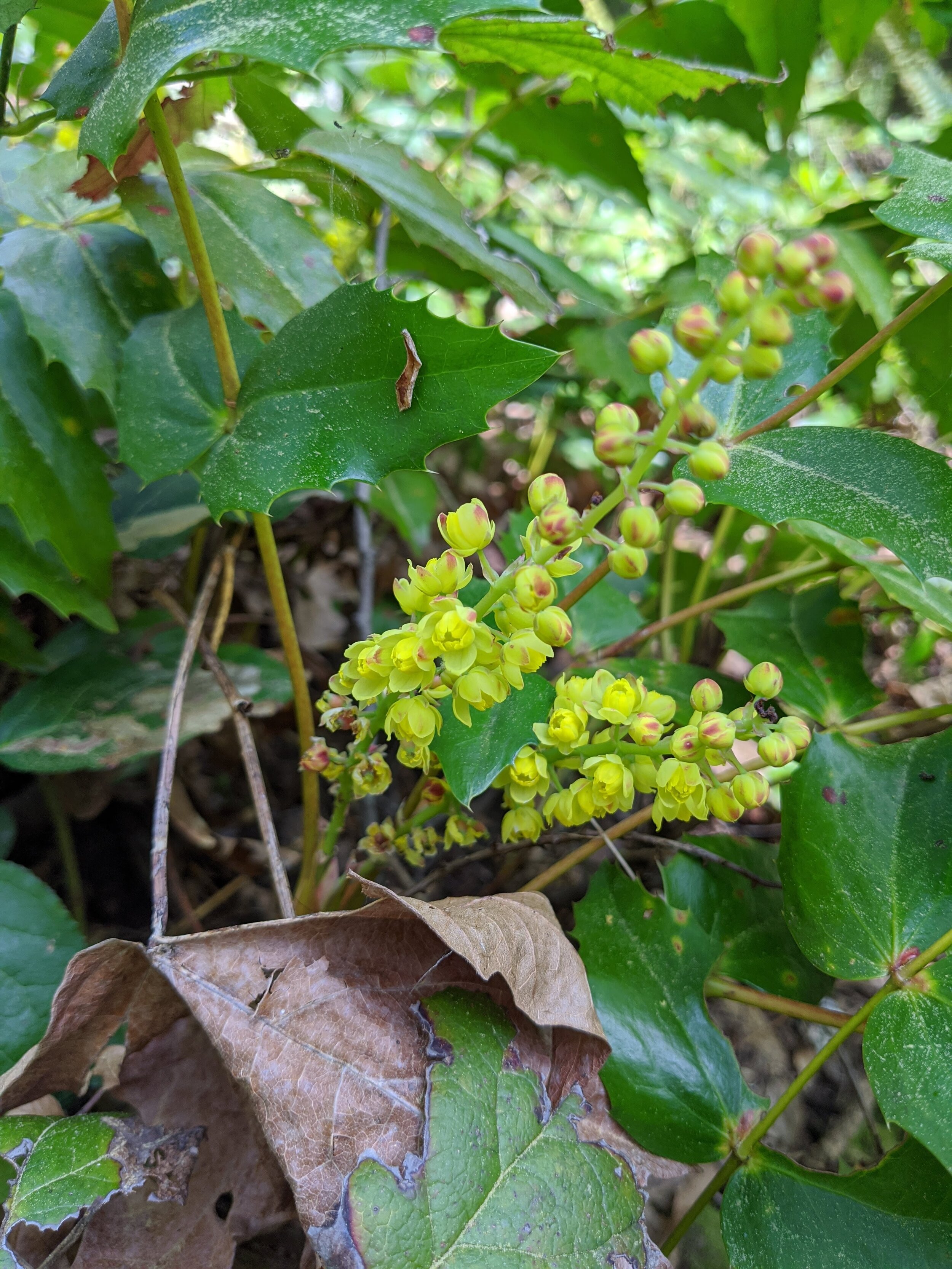
See some of the flowers that are blooming around camp
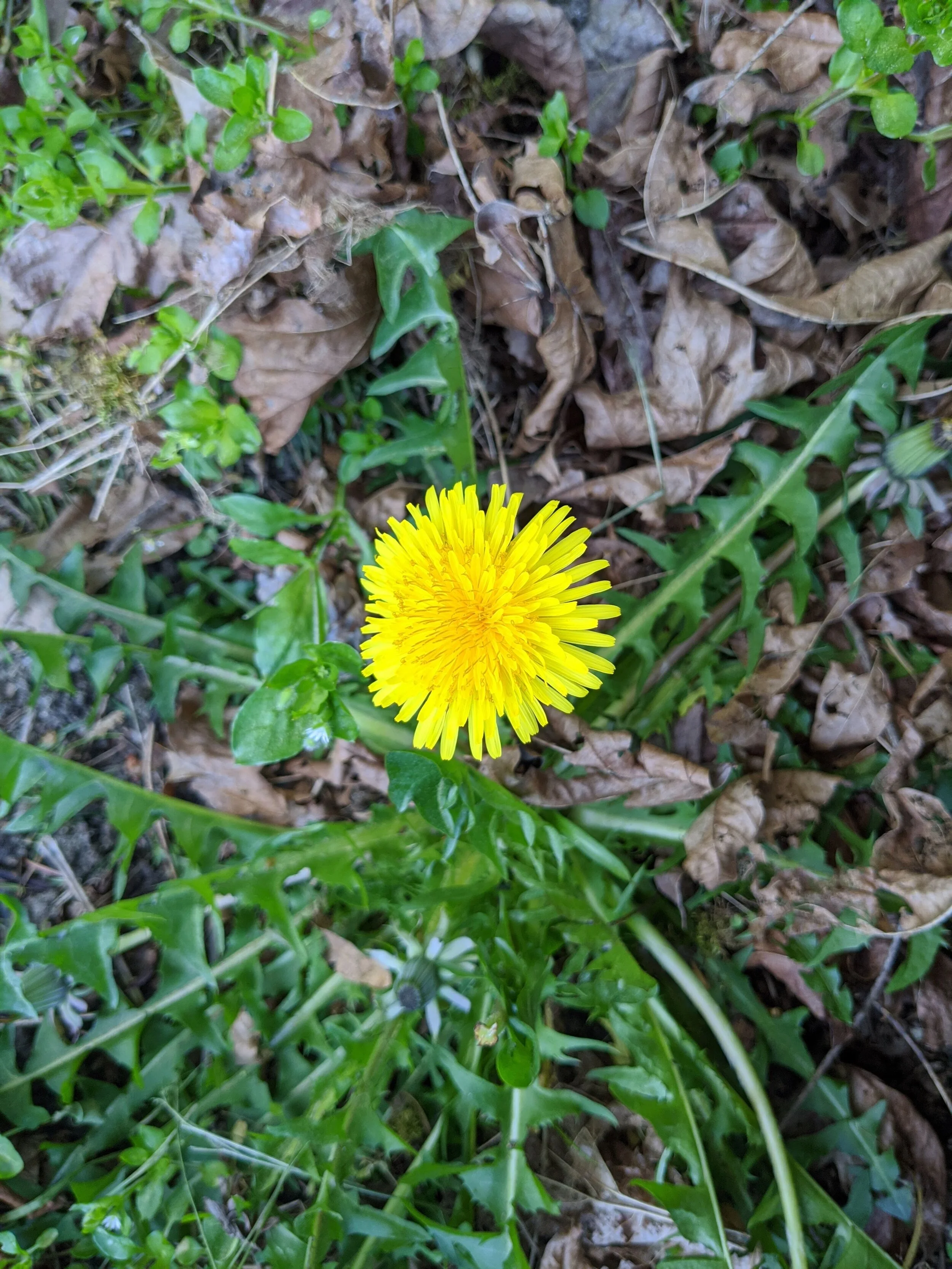
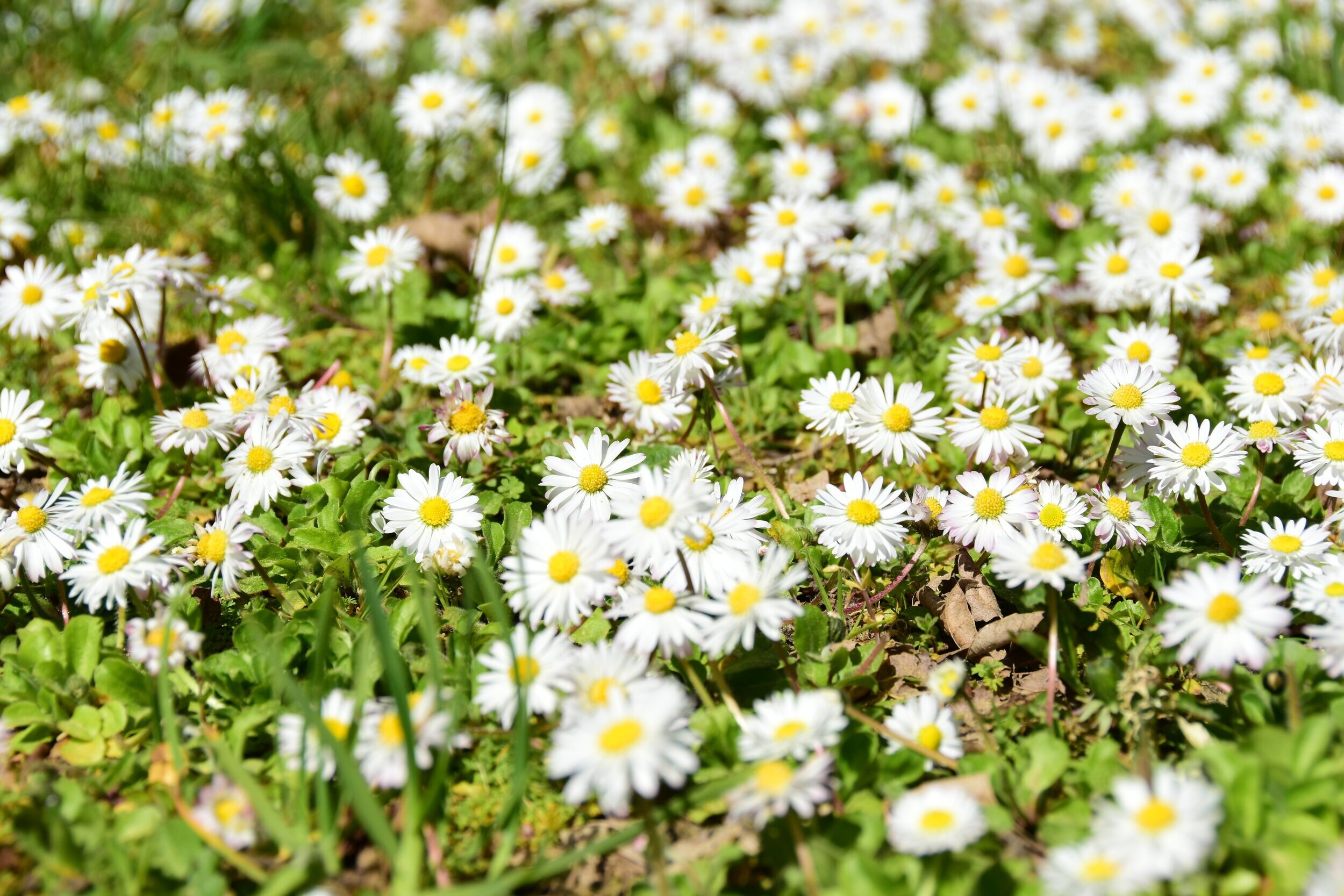
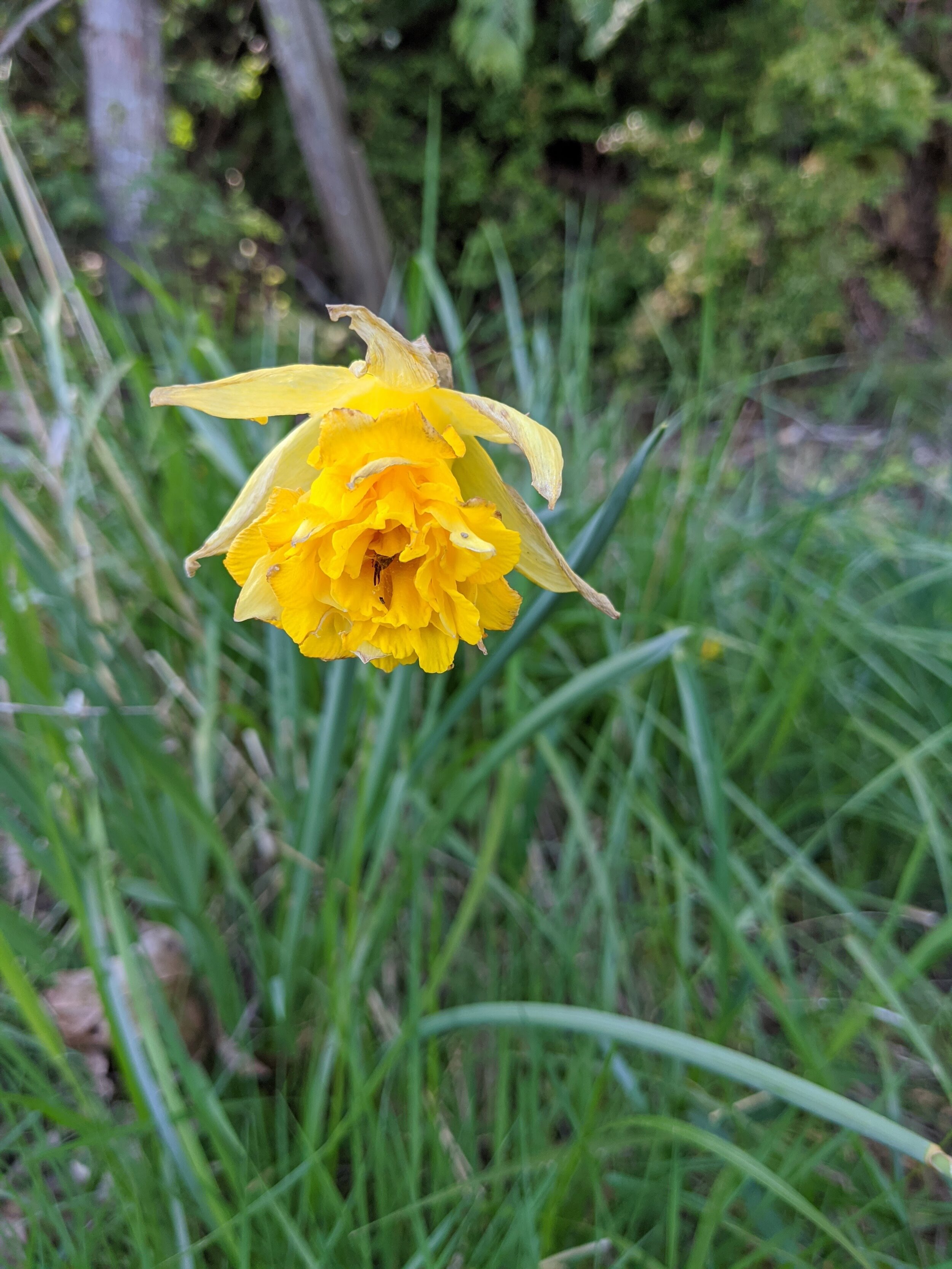
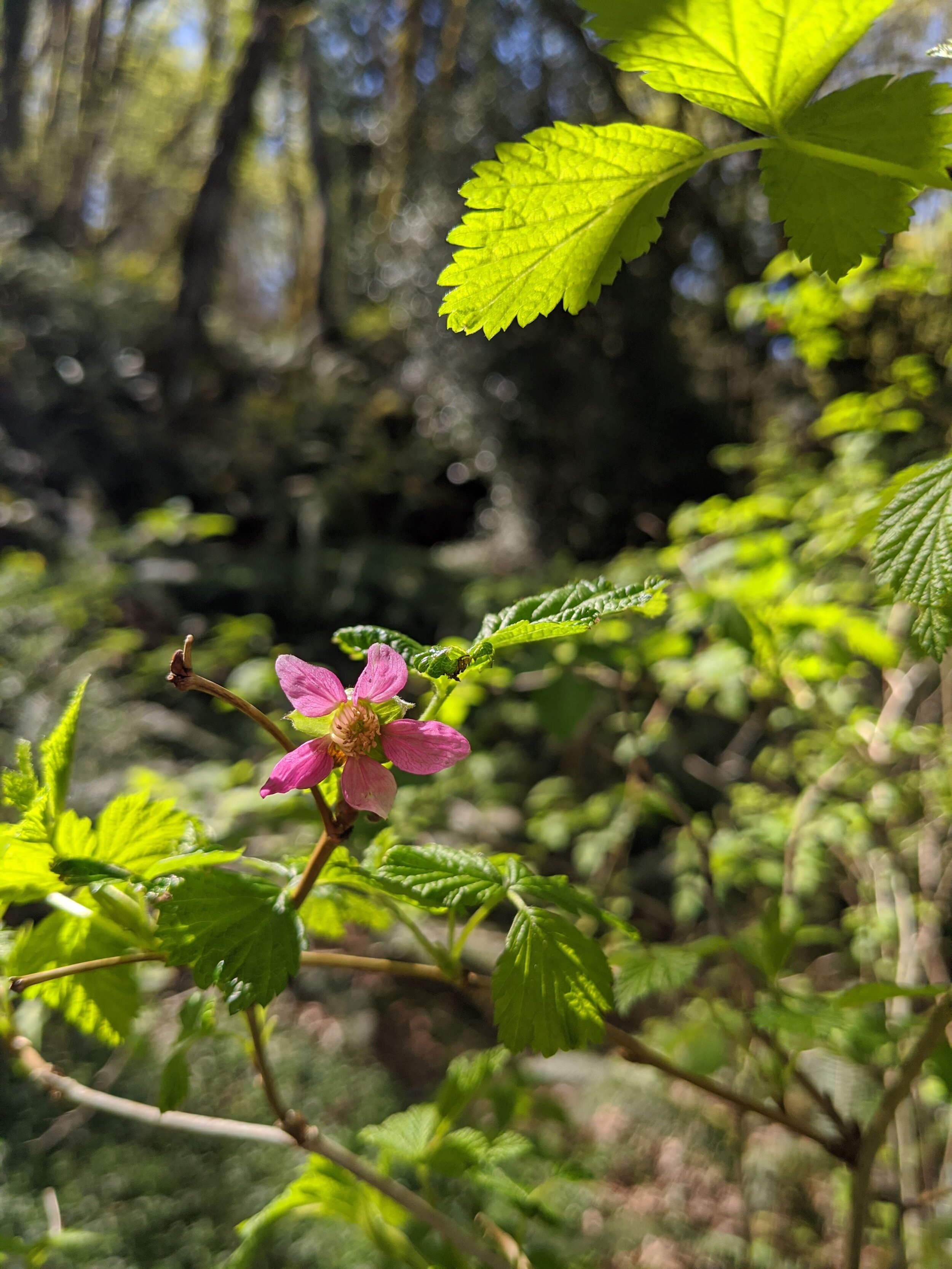
Flowers are in bloom all around camp right now. They are not only beautiful, they also are an important part of the plant. Flowers help plants reproduce. They often are brightly colored and produce a scent to attract pollinators such as bees and butterflies. These pollinators and the plants producing the flowers have a mutualistic relationship. Both the plant and the pollinator benefit from the relationship. The pollinator gets nectar from the flower and in turn (without knowing it) the pollinator spreads pollen to other plants. When a flower has been pollinated it can then turn into seeds that will grow more plants. Different plants have different ways of dispersing their seeds. Some enclose their seeds in sweet and tasty fruit, relying on animals to eat them and drop the seeds somewhere new. Some have seeds that get carried by the wind, like dandelions and maples. Some have seed that stick to an animals fur or in your socks.
Here are some flowers around Sound View right now: