

Domestic Rabbits

Photograph of a faun rabbit resting inside.
Today, we're diving into the fascinating world of domestic rabbits, those fluffy creatures that can hop straight into our hearts. Sound View used to have a rescued bunny.
Did You Know? Baby Rabbits Are Called Kittens!
Just like cats, baby rabbits aren't called puppies; they're called kittens! These little fluffballs are born hairless and with closed eyes, but they quickly grow into the adorable bunnies we all know and love.
Carrots Aren't Always the Best Treats for Rabbits!
While it might seem like rabbits would love munching on carrots, it's important to know that carrots are high in sugar and should only be given as an occasional treat. A rabbit's main diet consists of hay, fresh veggies, and pellets to keep them healthy and happy.
Bunny Binkies: The Joyful Rabbit Dance!
Ever seen a rabbit hop, twist, and kick in the air? That's called a bunny binky! It's a sign that your rabbit is feeling super happy and excited. Imagine a bunny doing a little dance to express its joy – that's a binky!
The Scoop on Rabbit Droppings: They Eat Their Own Poop!
Yes, you read that right! Rabbits have a unique digestive system, and to get all the nutrients they need, they eat their own poop. It's not as gross as it sounds; the soft, nutrient-rich pellets they produce are different from their regular droppings.

Turkeys
Turkeys can run up to 25 mph! Learn more about them here
Sound View used to have one tom (male turkey also called a gobbler) and 3 hens (female turkeys)
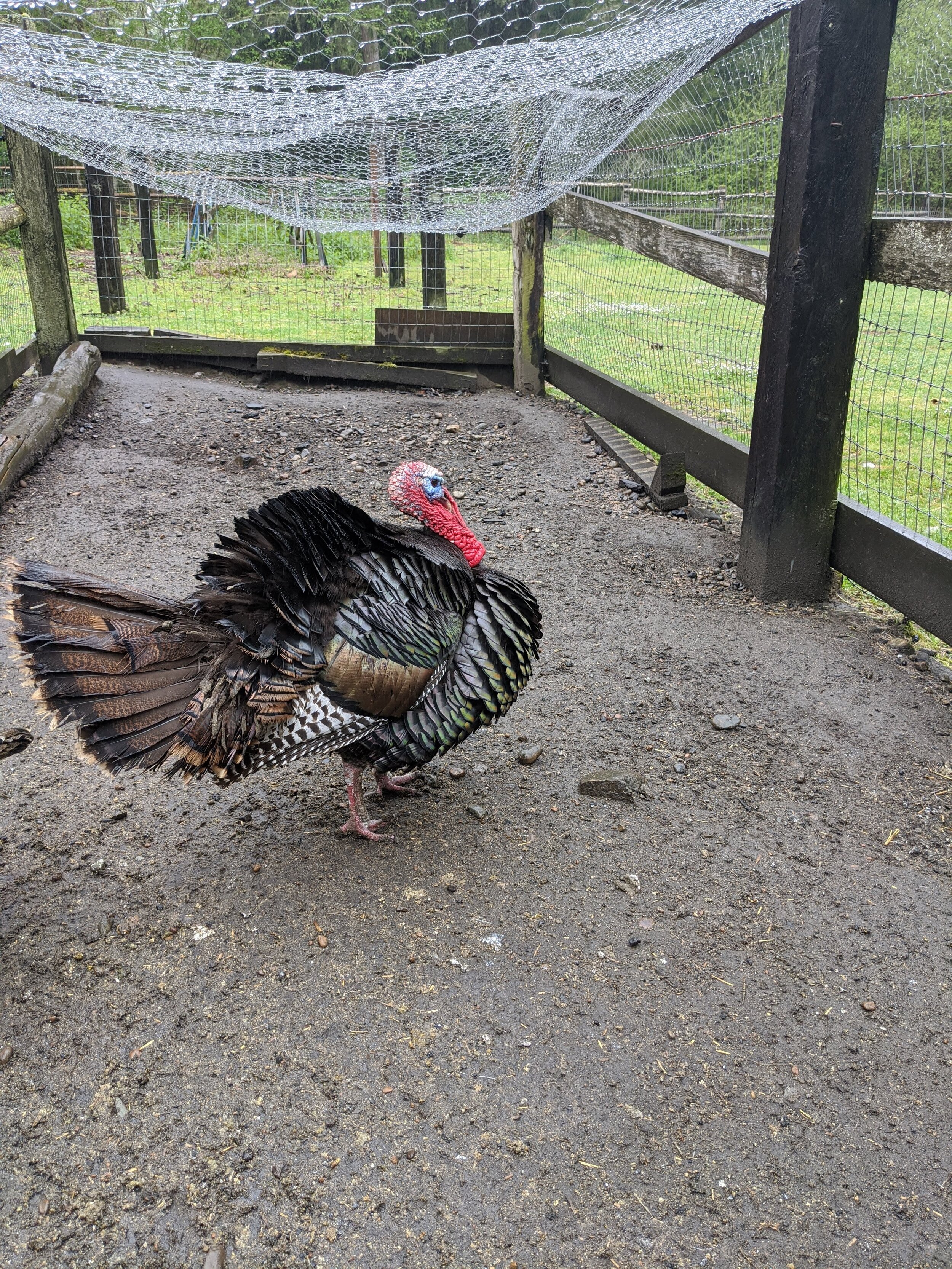
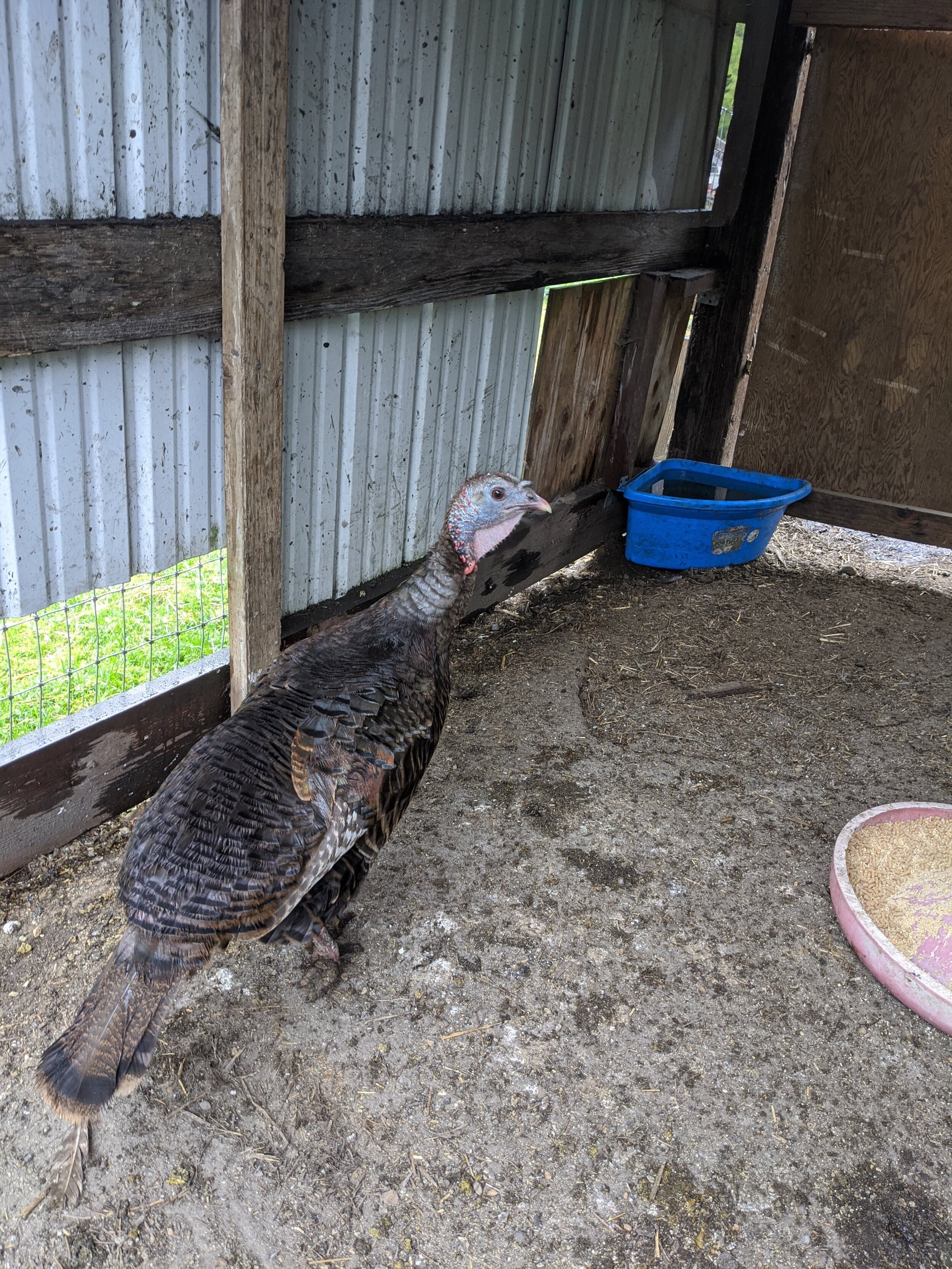
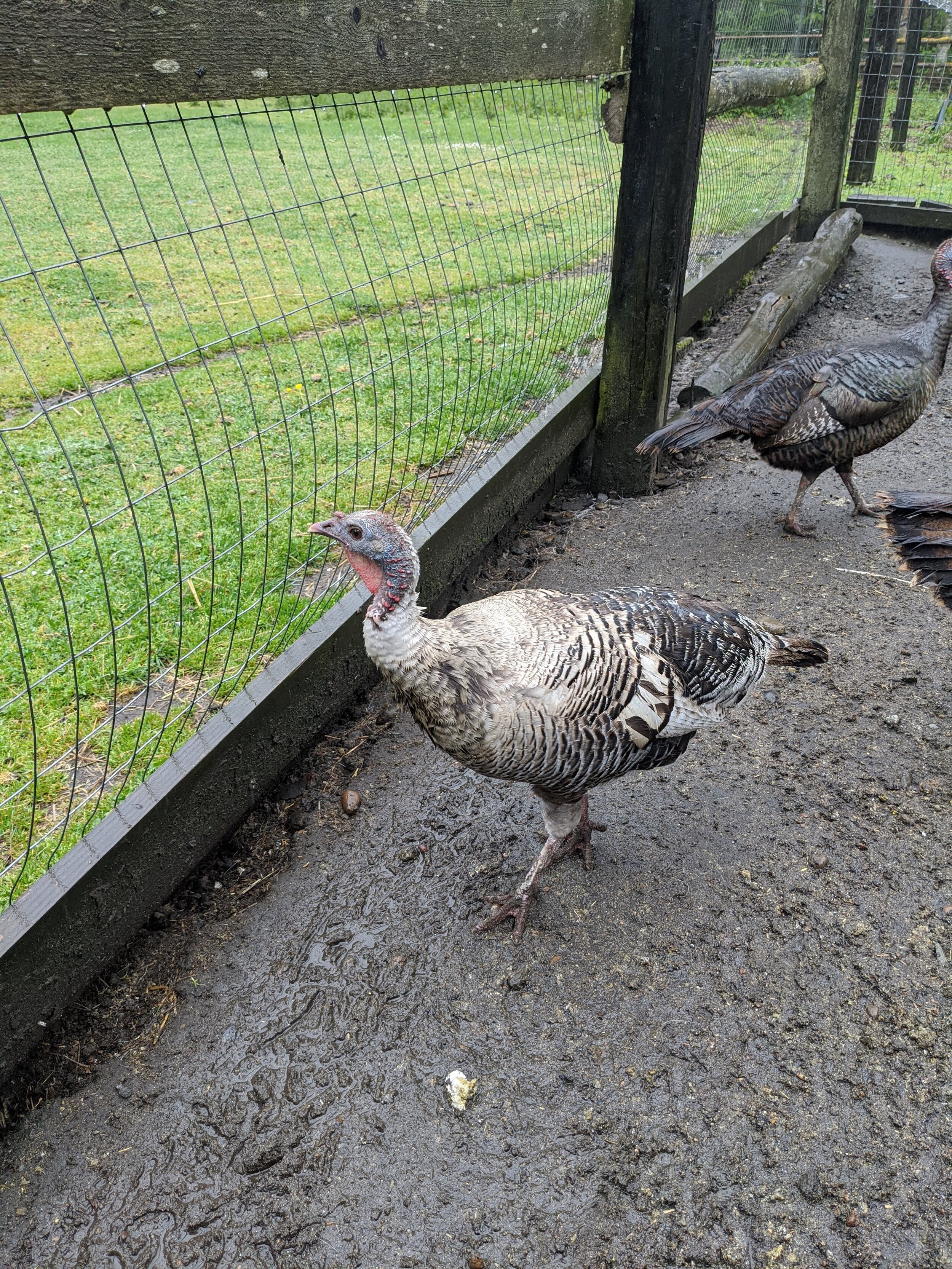
Where do turkeys come from?

Aztec god in turkey form Photo: https://www.sciencealert.com/humans-weren-t-always-after-turkey-meat
Turkeys are native to North America. Evidence suggests that the Mayan people started domesticating the turkey around 2,000 years ago. There is also evidence of turkey domestication in Aztec sites in present day Mexico and among the Ancestral Pueblo Societies of present day Southwest United States. They were used for their feathers, bones, eggs, and meat. They also may have been worshiped and used symbolically. When turkeys were brought to Europe by the Spanish, Europeans thought it tasted like the African Guinea Fowl. The African Guinea Fowl was being brought to Europe through traders from the country Turkey. This confusion is probably how the North American Turkey got its name. Wild Turkeys were in danger of becoming extinct in the late 19th and early 20th century because of over hunting and habitat loss. Conservation and reintroduction efforts starting in the 1940’s help the Wild Turkey population to rise again. Now there are around 6 million turkeys in the wild.

Learn more about turkey pardoning here: https://obamawhitehouse.archives.gov/blog/2011/11/23/definitive-history-presidential-turkey-pardon
Photo: obamawhitehouse.archives.gov
Turkey Thanksgiving Traditions
While having turkey on Thanksgiving is a popular tradition now, turkey was most likely not on the menu for the first Thanksgiving meal between Pilgrims and Native Americans. The pardoning of a turkey for the holidays may date back to President Lincoln. Though many presidents have done it since then, the official start to the Thanksgiving turkey pardoning tradition was done by President George H.W. Bush in 1989. The National Turkey Federation say that about 88% of Americans eat turkey on Thanksgiving.
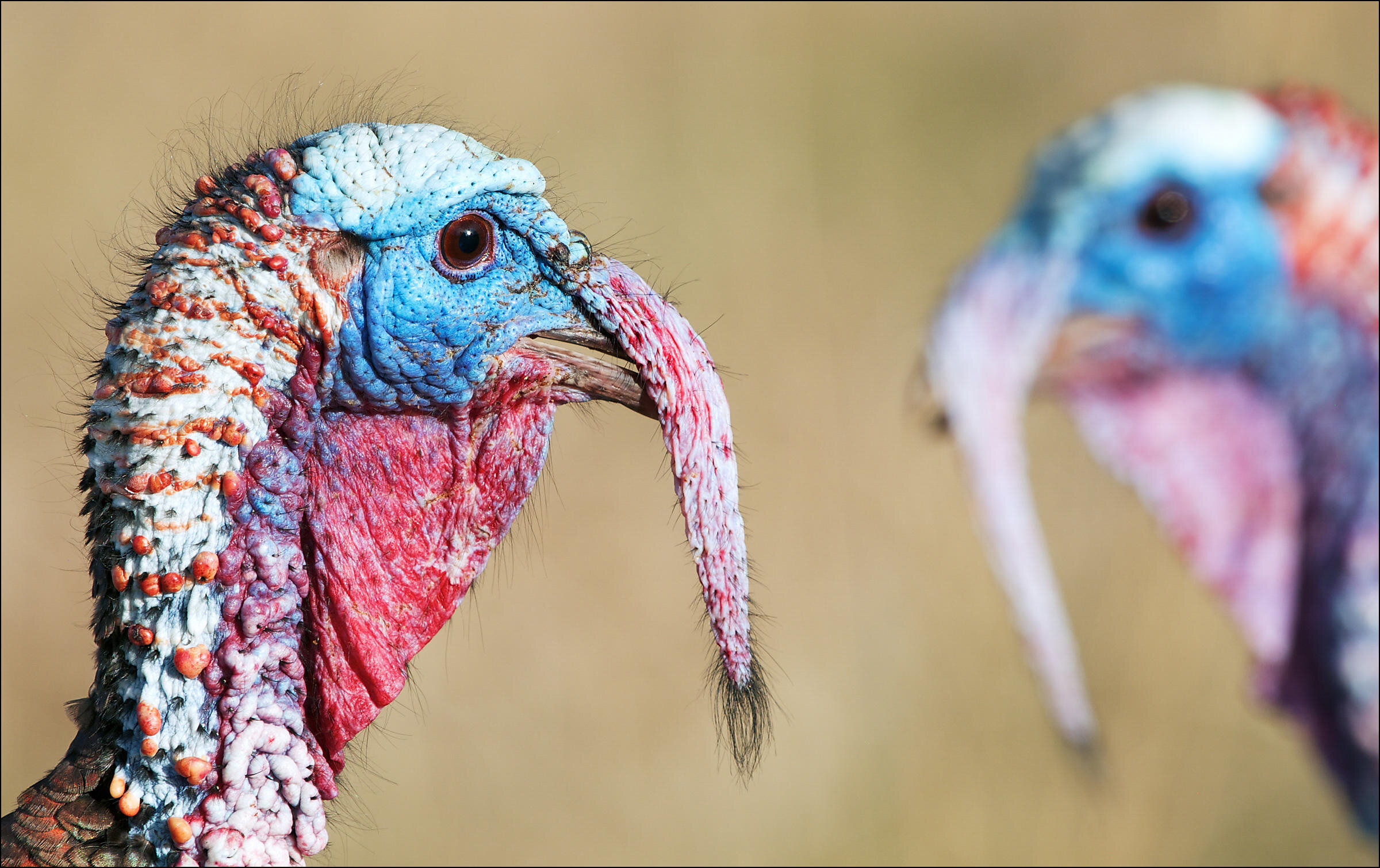
Photo: audubon.org
Other Turkey Facts
Both male and female turkeys have a wattle, the flap of skin under their chin, and a snood, the skin that hands over a turkey’s beak. These features are larger in males who use them to attract mates along with a show of their feathers. Though domestic turkeys are often to heavy to fly, wild turkey can fly short distances and will roost in a tree at night to stay safe from predators. Turkeys can run up to 25 miles per hour! Baby turkeys are called poults. Turkey eggs are edible and larger than chicken eggs. We don’t eat them as frequently as chicken eggs because turkeys lay eggs at a much slower rate than chickens. Some people think Benjamin Franklin wanted the turkey to be the national bird of the United States but he was just unhappy with the decision of the Bald Eagle because he believe they were birds of “bad moral character” and turkeys were “a much more respectable bird.”

Chickens
Present day dinosaurs
Sound View used to have eight hens and one rooster. Hens are the female chickens and roosters are the males.
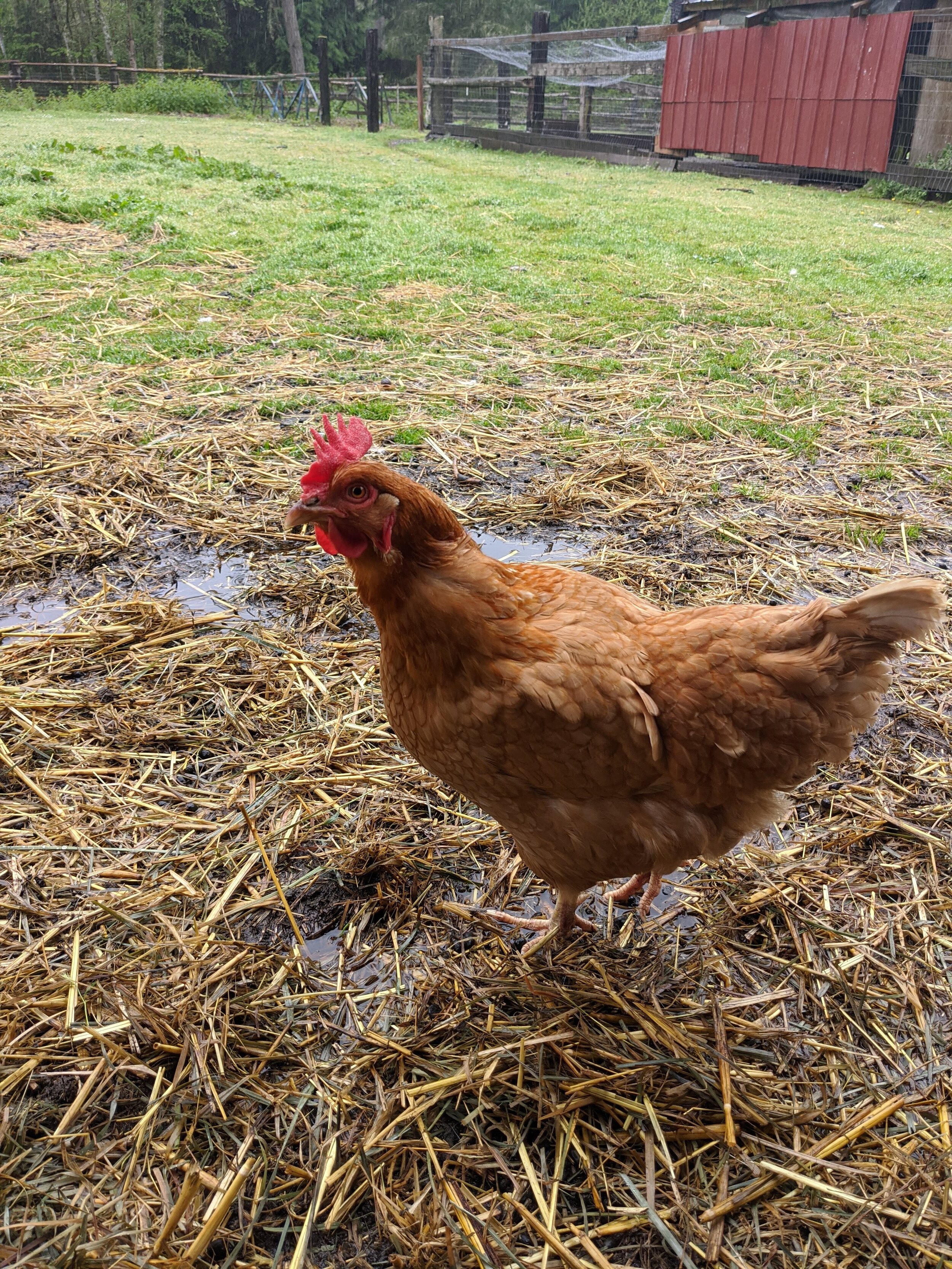
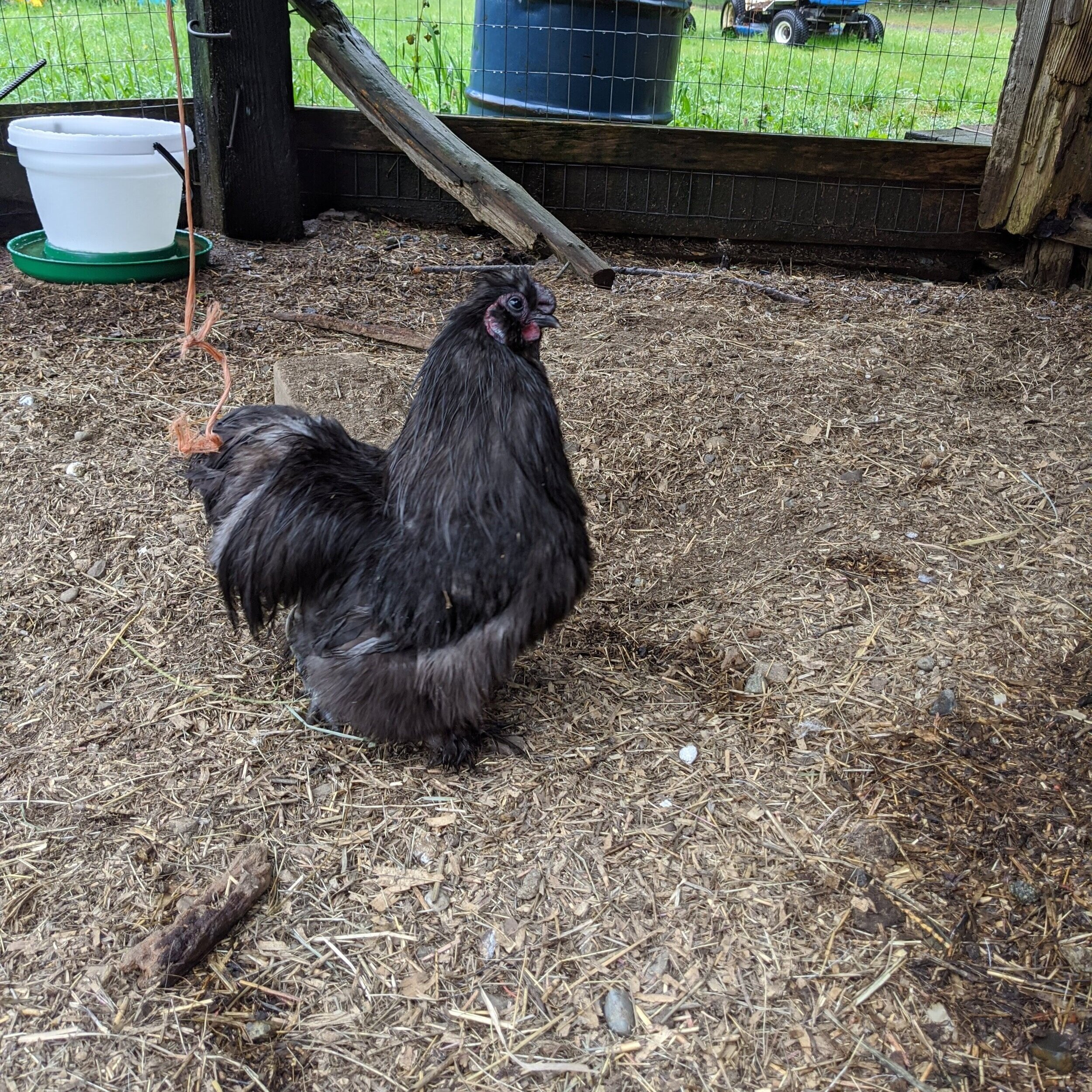
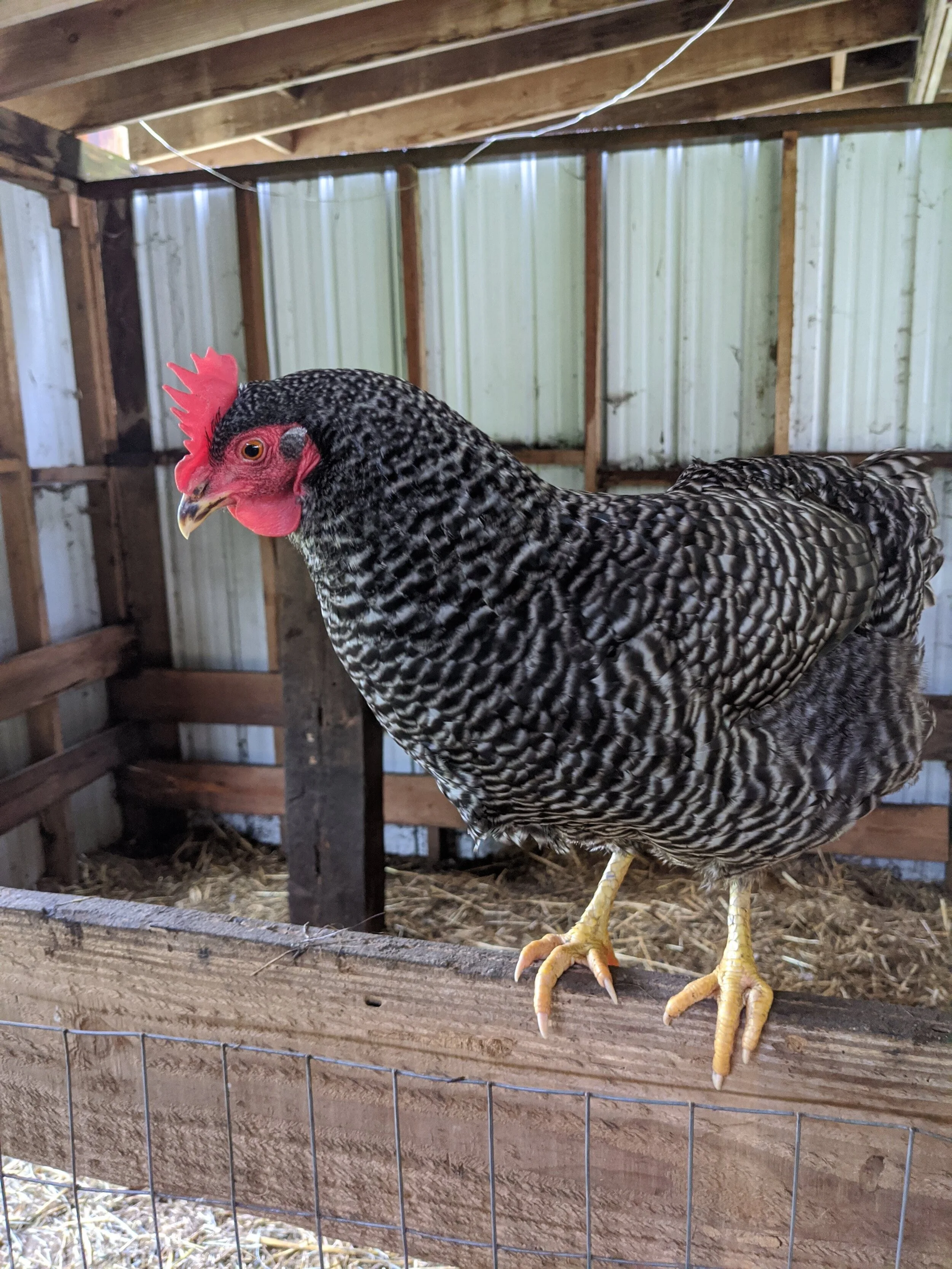

Red Junglefowl Photo: eBird.org
Where do chickens come form?
Chickens come from dinosaurs! I’m not joking. After scientists mapped the chicken genome in 2004, they discovered that chickens are likely the closest living animals related to Tyrannosaurus Rex. Whenever our chickens run towards me, all I can see are little raptors. Fast forwarding a few million years, chickens were likely domesticated from the Red Junglefowl found in Southeast Asia. This bird still exists in the wild today. Predicting when chickens were domesticated is a little tricky because scientists believe that domestic chickens still mated with wild Junglefowl for some time. Best guesses are that chickens were domesticated in China around 8 thousand years ago. Today there are somewhere between 300-500 breeds of domestic chicken. There are also around 3 chickens for every human on Earth!

These egg incubating ovens from Egypt are still used today. Find out more here: https://www.atlasobscura.com/articles/egypt-egg-ovens
Why were chickens domesticated?
Scientists believe chickens were actually first domesticated to fight each other. This past time may also have been what spread chickens around the world. Today, making chickens fight is illegal in the United States. As chickens spread around the world, they were used mainly for their eggs and meat. They also became important symbols in many cultures. Ancient Egyptians discovered how to artificially incubate eggs, getting them to hatch without the mother hen sitting on them. This increased the popularity of the chicken. Today chickens are still used for eggs and meat. They are also often kept as pets and bred to be show birds.

Dust Bath Time! Photo: https://www.backyardchickencoops.com.au/
Other chicken facts
Chickens are omnivorous, meaning they eat both plants and meat. Generally the meat that chickens eat are insects, but they will also eat rodents and lizards as well. Even though we generally see chickens walking around on the ground, they can fly for short distances. Chickens can make around 30 different sounds. I wonder what all of them mean! Studies have been done showing that chickens have a concept of numbers, understand that objects exist even when they cannot see them, can solve basic puzzles, and remember faces of humans and other animals. Their heart beats around 300 bpm where the resting heart rate of an adult human is typically between 60-100 bpm. They also take dust baths and can see ultraviolet light.
Sound View Farm: Sheep
Feeling sheepish?
Let’s learn about out fluffy friends, the sheep. At camp we have 2 sheep that are both mixes of the St. Croix and Jacobs breeds.
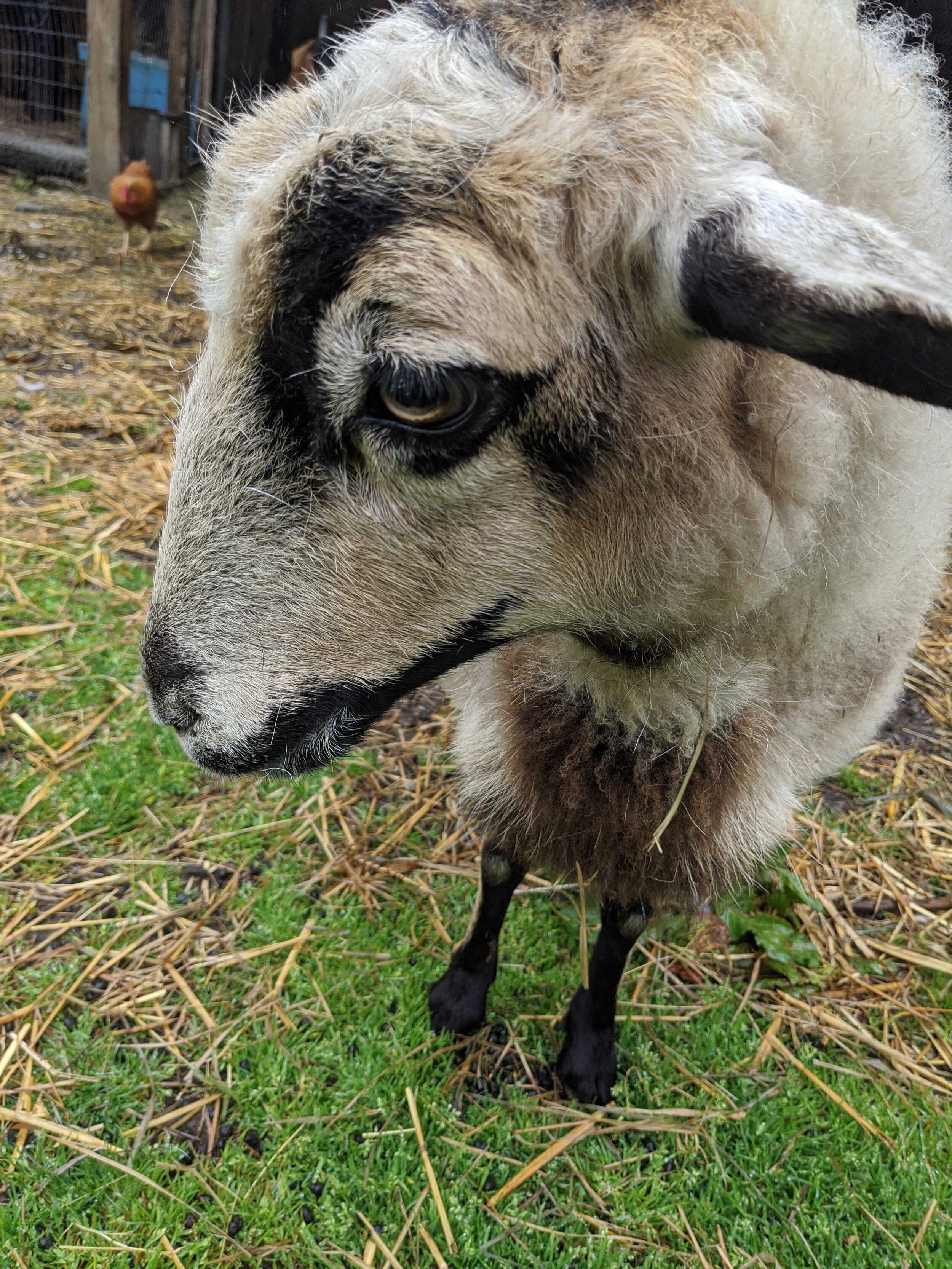
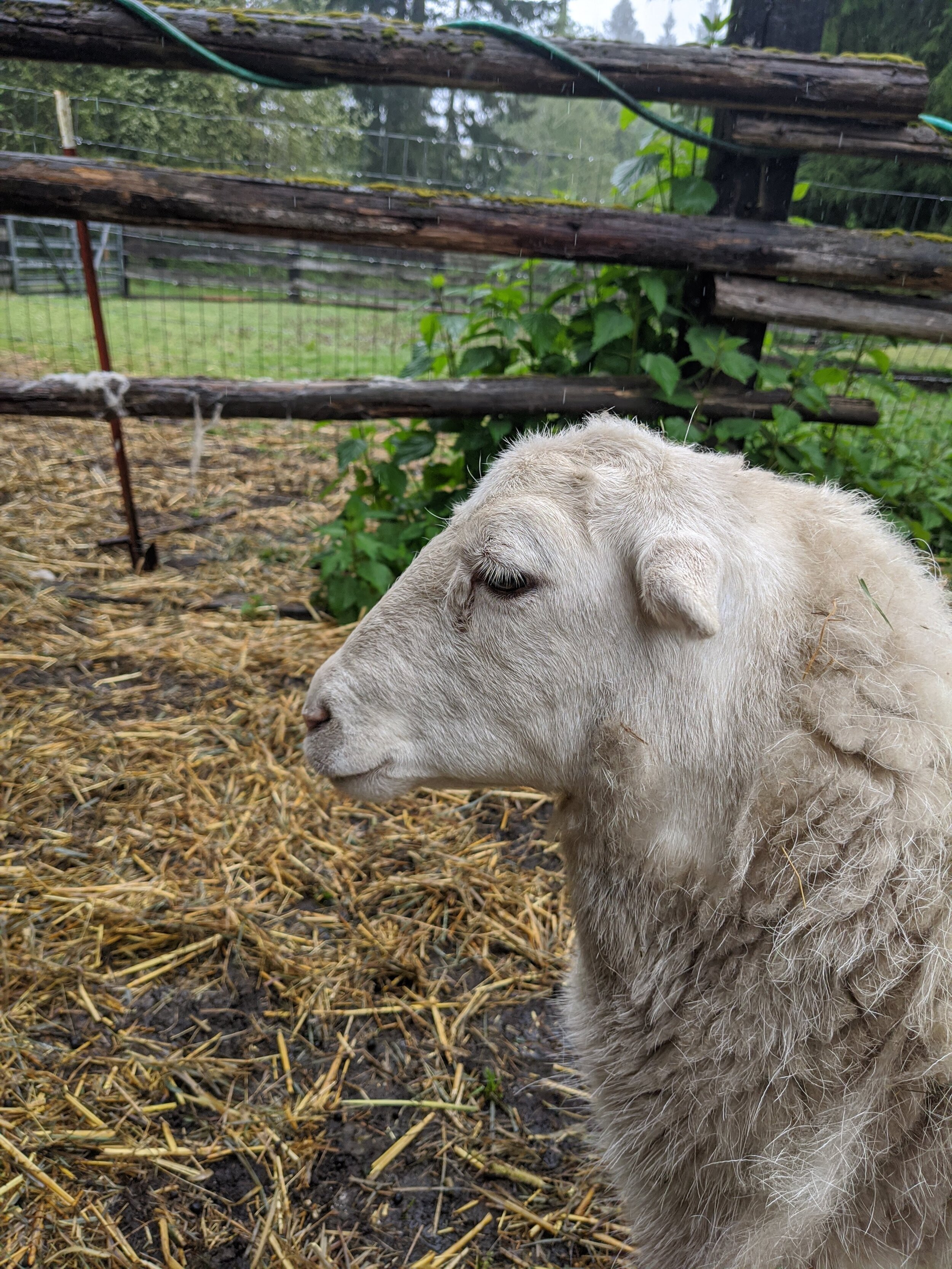
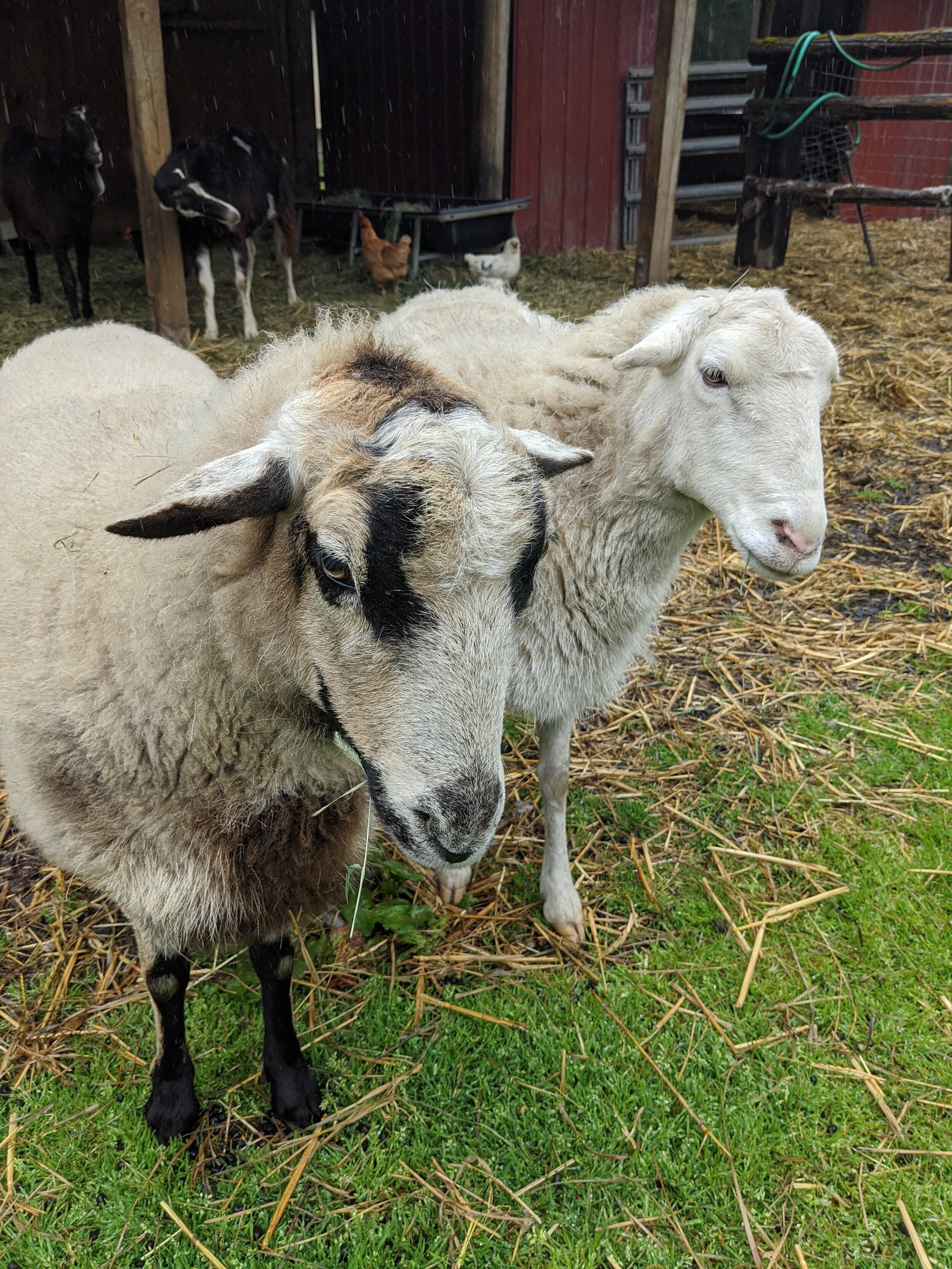
Where do sheep come from?

Moufloun sheep Photo: Wikipedia
Sheep have a similar domestication story to goats. They were both domesticated over 10 thousand years ago starting in Western Asia. Just like goats, sheep belong to the family Bovidae which also includes cows, bison, antelope and more. There are about 5 species of sheep around the world including the domestic sheep. Scientists are not certain which wild species domestic sheep came from but the leading though is that they descended from a species of Mouflon sheep from Western Asia. Today there are thought to be over a thousand different breeds of sheep all over the world. There are over 60 breeds in the United States.
Why were sheep domesticated?

Shrek the Merino Sheep Learn about him here: https://www.sun-gazing.com/6-years-ago-sheep-escaped-grew-60lbs-wool-stunned-wait-til-ssdee-nods1w/
Sheep were domesticated for many of the same reasons goats were. They were and continue to be used for meat, wool, skin, and milk. Today most sheep are bred for their wool production. Some breeds don’t shed their wool, they have to get haircuts to get it removed. Sheep are also still commonly used for meat. Sheep milk is used in making feta, pecorino, and manchego cheeses. Overall, animals like goats and sheep were able to be domesticated because they are easy to feed, relatively docile (calm and not aggressive), they can survive in a variety of climates, and they reproduce quickly.

Goat Vs Sheep
I mentioned before that goats and sheep are very similar. They both have cloven-hooves and a 4 chambered stomach. They are both herbivores, eating only plants and no meat. They also often live in similar environments even in the wild. They even both have rectangular pupils in their eyes. So what is the difference between goats and sheep? A quick way to tell the difference is that goats have tails that generally stand up where sheep tails will hang down. Often when sheep are young, their tails are shortened for health and hygiene reasons. Though both animals are intelligent, goats typically are more curious and prone to escaping fences where sheep will stick with their flock. If you watch both animals when they butt-heads, sheep back up before charging but goats will more likely use their front legs to hop up and then butt-heads on the way back down. In general, sheep grow more wool than goats, if the goat grows any at all. Lastly, when they have horns, (some are bred to not have horns and some horns are removed) sheep horns tend to be thicker and curl more than goat horns.
Other sheep facts

Photo: sksheep.com
A male sheep is called a ram. A female sheep is called a ewe and a baby is called a lamb. The first mammal to be successfully cloned was a sheep named Dolly. Many US presidents raised sheep including Woodrow Wilson who had sheep at the white house to lower lawn maintenance costs. Sheep that fall over and end up on their back may not be able to get back up. This can be very dangerous for the sheep. Sheep have a very good field of vision, they can see almost 300 degrees without turning their head.
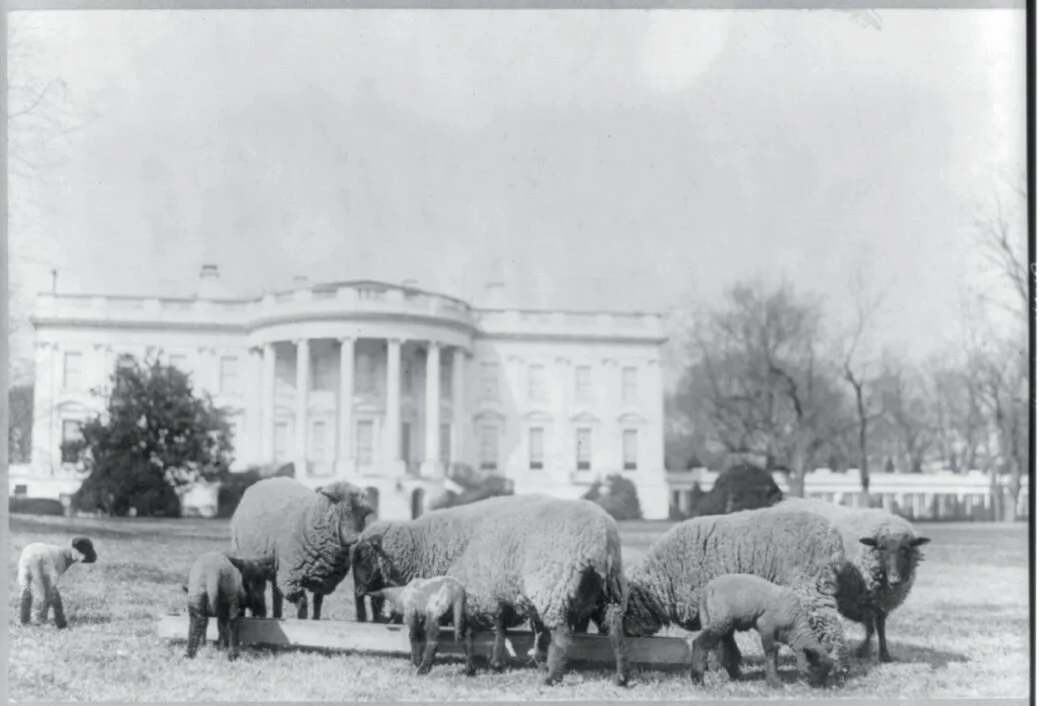
Learn about the White House sheep here: https://www.whitehousehistory.org/questions/why-did-president-woodrow-wilson-keep-a-flock-of-sheep-on-the-white-house-lawn

Sound View Farm: Goats
GOAT: Greatest Of All Time
Next in our tour of the farm animals of Sound View is goats! We currently have 4 goats of 3 different breeds at camp. (They always look silly in photos!)
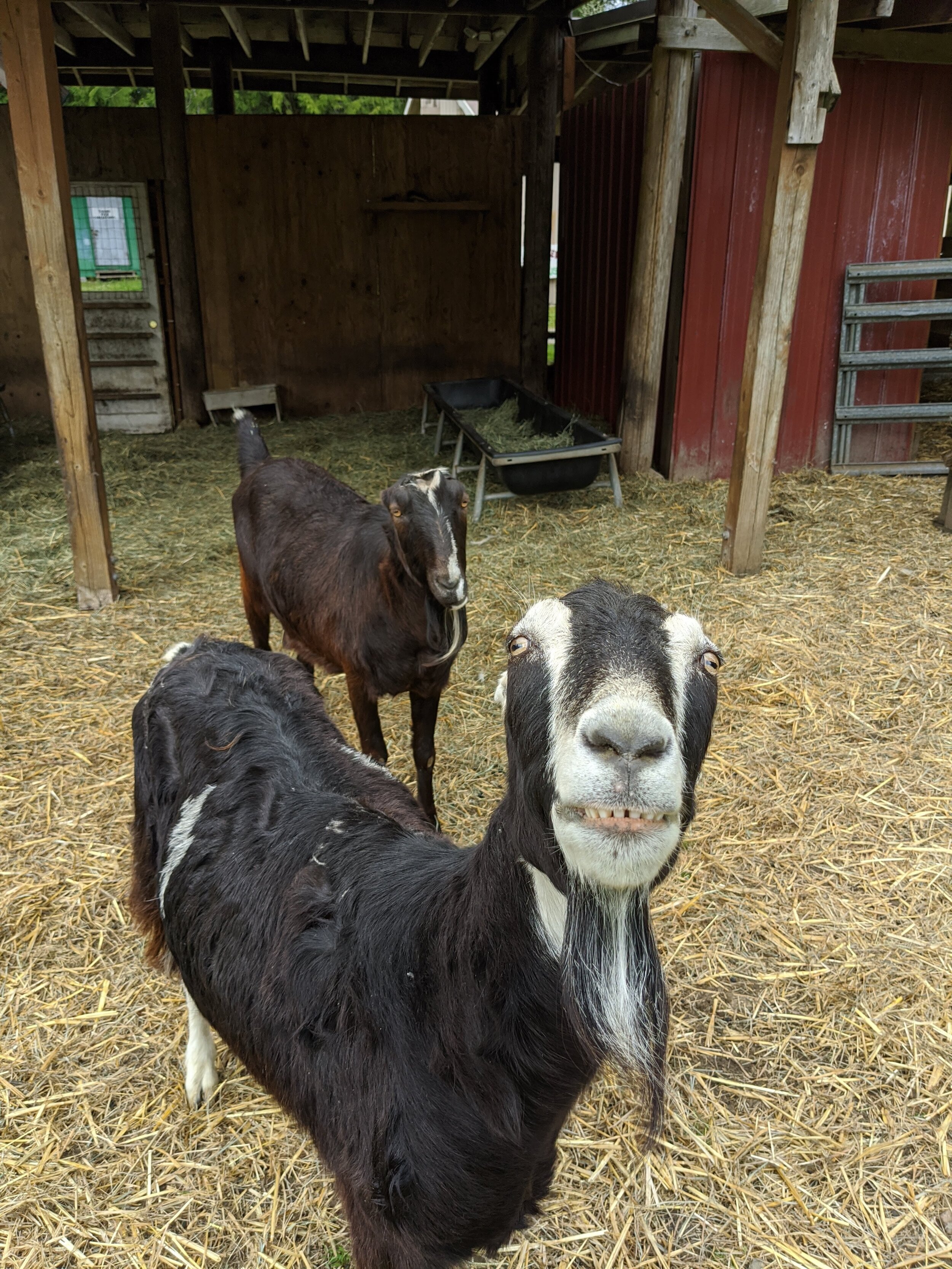
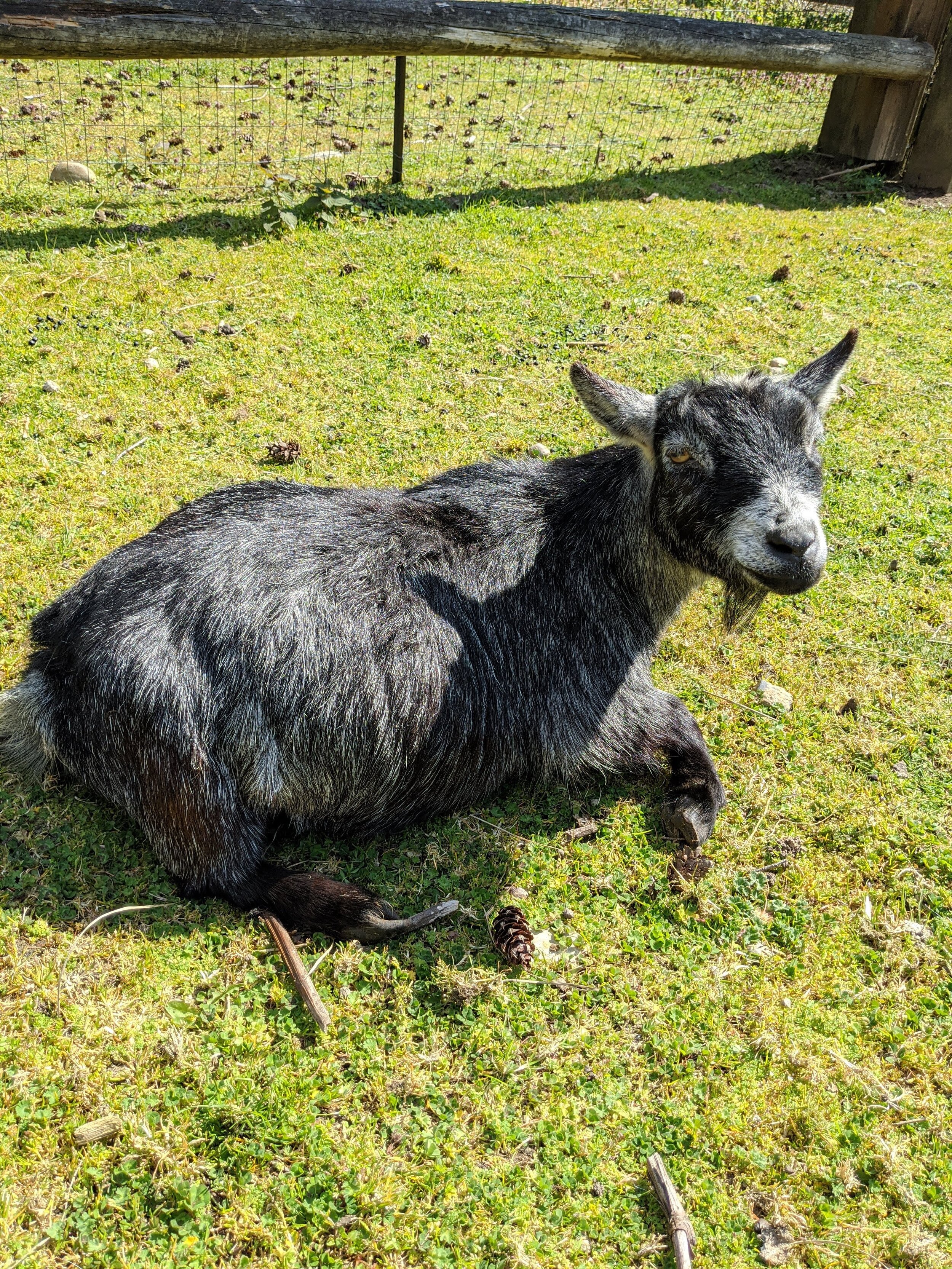
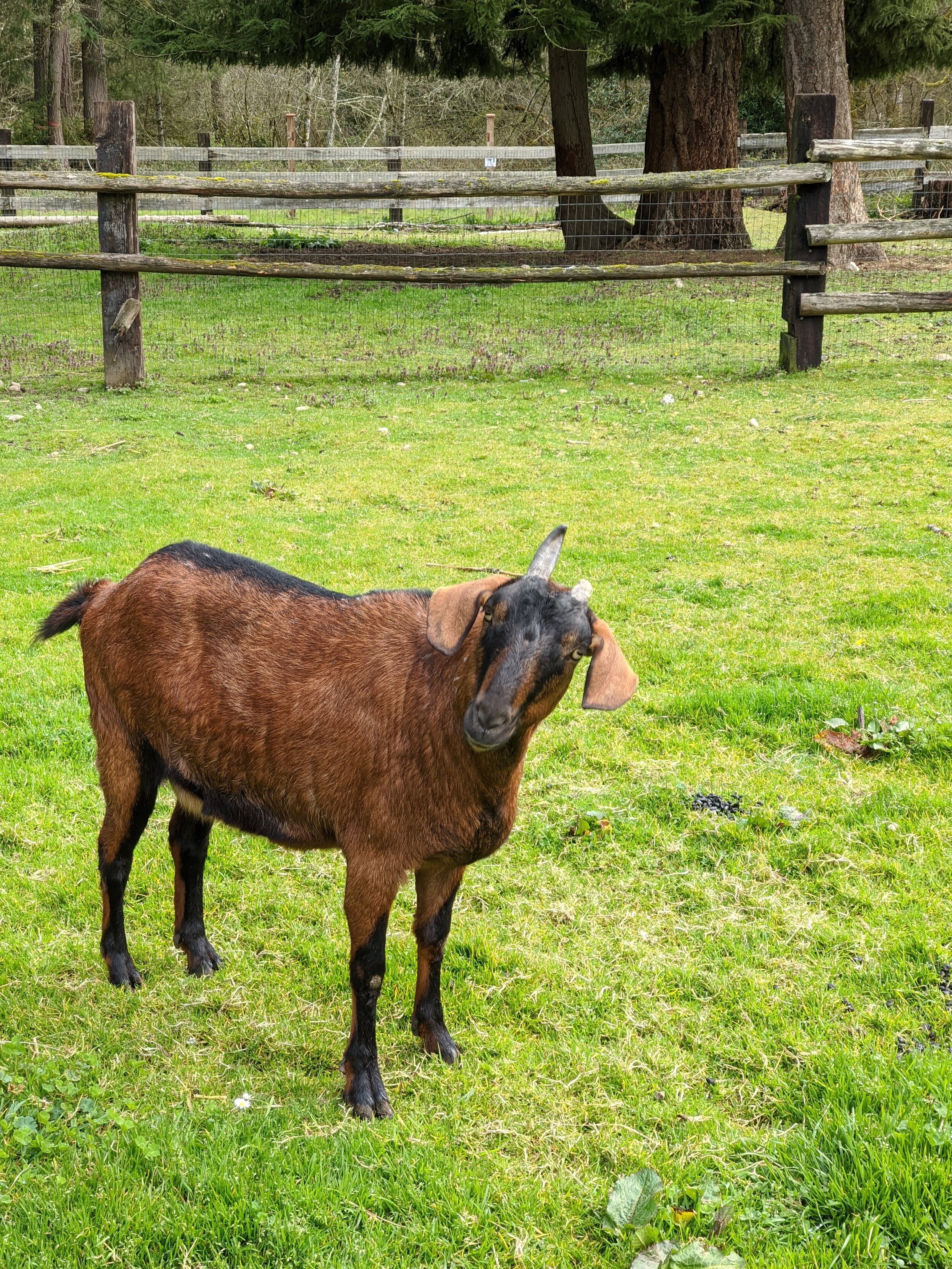
Where do goats come from?

Wild Bezoar Ibex Photo: Wikipedia
Goats are members of the family Bovidae along with bison, cows, sheep, and antelope. All of these animals have hooves that are split into two toes (cloven-hoof) and are ruminants with a stomach that has four compartments so they digest grasses and other plants. They produce and chew cud just like llamas do. Today’s domestic goats came mainly from a goat called the Wild Bezoar Ibex that is found in Middle East Asia. The goat is thought to be one of the first domesticated animals, with domestication of goats starting around 10 thousand years ago. Now there are over 200 breeds of domestic goat and they exist on every continent except Antartica. Breeds of animals are created when humans select animals for certain qualities. Over time these animals may look pretty different but they are still members of the same species.
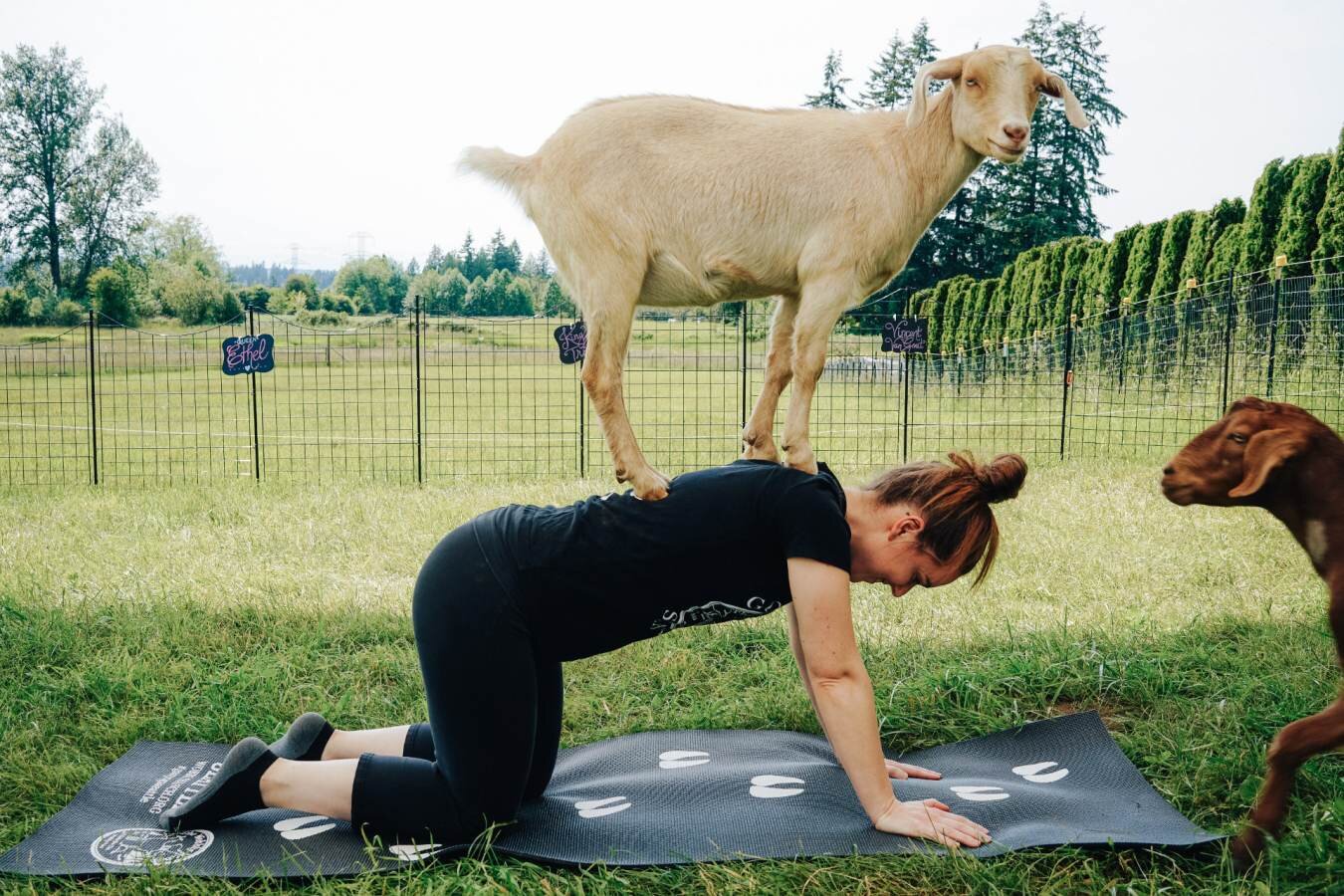
Goat yoga Photo: www.seattlenorthcountry.com
Why were goats domesticated?
When goats were first being domesticated, every part of them was used. Today, different breeds have different purposes. Goat milk was the first animal milk that humans used and it remains popular today. Some goats are bred for their fur to make clothing. The most common goat fur products are are cashmere and mohair. Goat skin can also be used to make leather for gloves and boots. In the past, goat skin was used to make something like a water bottle. Some goats are also raised for meat. Goats can be working animals as well. They can be trained to pull carts. Goats are also bred for show and are sometimes kept just for the purpose of being pets. Oh and don’t forget about goat yoga, a trend that started in 2016.
Other goat facts
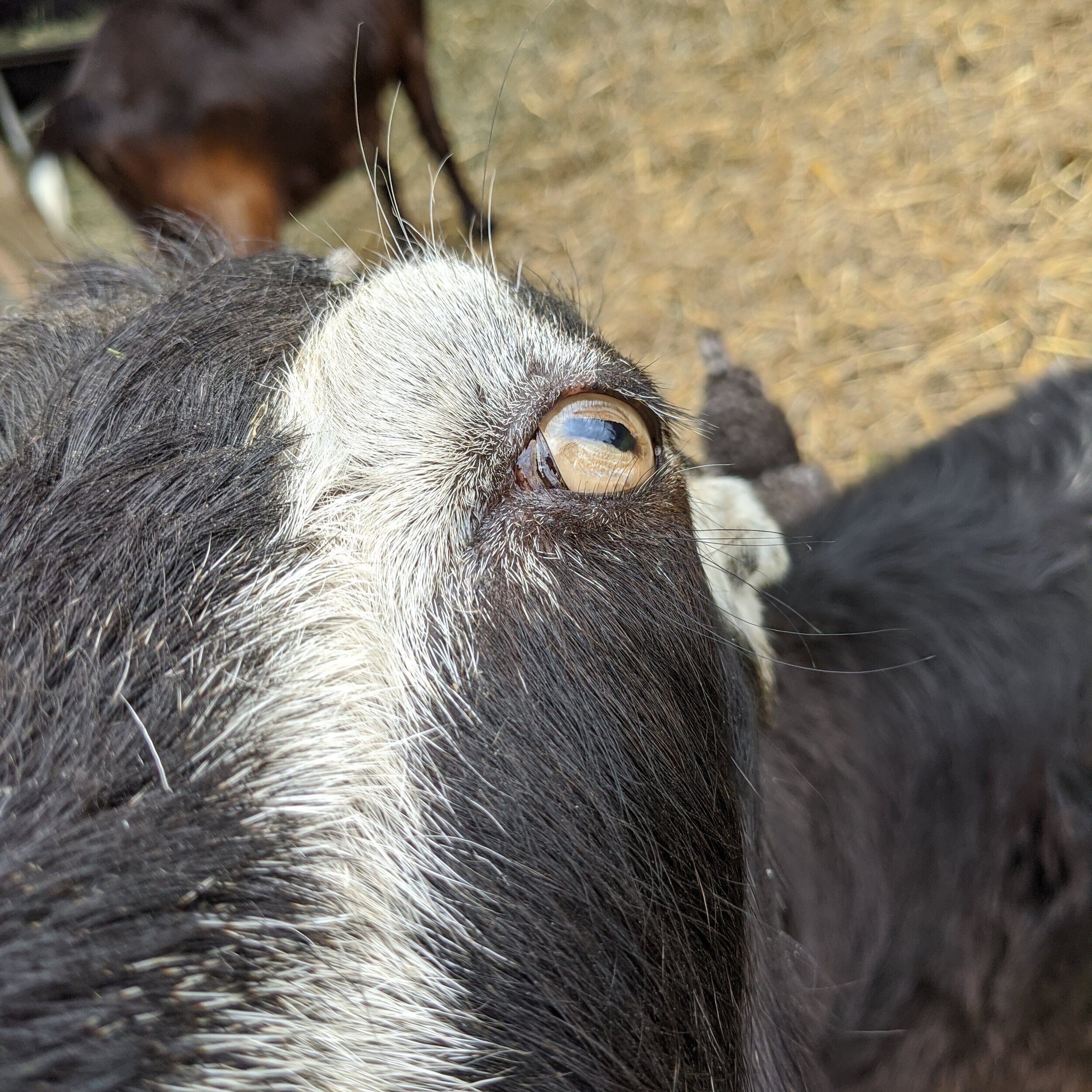
Females goats are called a “doe” or a “nanny” while male goats are called “bucks” or “billys.” Young goats are called kids. Goats are smart and naturally curious. They are known for escaping pens. They often knock heads with other goats. This can be done in play or to compete for dominance in a herd. If treated and trained correctly they do not do this to humans. Goats are also really good at jumping and climbing. Some can climb trees! Occasionally when domestic oats have escaped or been set free they return to the wild, becoming feral. The can become an invasive species in some areas, posing a treat to native plants. Lastly, goats have rectangular pupils in their eyes instead of round, giving them better peripheral (side) vision.

Sound View Farm: Llamas
Learn about llamas
This is the first in the Sound View Farm series. I though I would start with our fan favorite, llamas.

Bilbo, Sound View’s llama

Guanaco Photo:Wikipedia
Where do llamas come from?
Llamas come from South America. They are in the camelid family and are therefore related to camels. The llama’s ancestors were thought to have been in North America 40 million years ago and migrated to South America 3 million years ago. They were domesticated in the Peruvian Andes 4-5 thousand years ago. Domestication is the process of taming and breeding animals for use as a pet or for having on a farm. There are no true llamas in the wild. They were domesticated from an animal called a Guanaco which still exists in the wild in South America. The Vicuña is another South American camelid that exists in the wild. It is smaller than the Guanaco and is thought to be where Alpacas came from. These animals were and continue to be very important to the people of Peru and surrounding countries. Llamas came to the US in the late 1800’s and were mainly in zoos.
Why were llamas domesticated?
Llamas served many uses for the people who domesticated them and they continue to serve many of these uses today. The one that many people think about is their fur. A llama’s wool is water resistant, lightweight and very warm. It has been used in making clothing, bags, rope, decorations and more for over 6 thousand years and is still used today. Another reason llamas were domesticated is that they can carry packs for long distances. They are the only animal in South America that is able to do so. They can hold somewhere between 25-30% of their own body weight. They can weigh somewhere between 200-400 lbs so may be able to carry around 100lbs. If you give them more than they can carry, however, your llama may just lie down and refuse to move. They are also good on their feet and can navigate difficult mountain terrain. Llamas are also occasionally used for meat. Their poop makes great fertilizer and can be used a fire fuel when dried. Llamas are also very smart and today they are often used to help protect other animals on a farm.

Modern Pack Llama Photo: www.jnkllamas.com

Photo: www.shagbarkridge.com
Llama spit?
Yes, llamas do spit when they are annoyed but they will use their body language before they resort to spitting. If a llama does not want to be bothered it will simply put its ears back and walk away. If they are more agitated, they may raise their head or stomp a foot. Spitting is mainly used toward other llamas because it is more about the social hierarchy in a herd. Llamas will also often regurgitate their food, chew it, and re-swallow it. This is because they have a stomach with 3 compartments and the cud that they regurgitate needs to be broken up before it can be digested more. This way of digesting helps llamas get as much nutrients as possible out of the plants that they eat. If a llama is really annoyed it can spit some digested food from one of its stomach compartments. So, be respectful of the llama’s body language!