Getting Ready for Winter
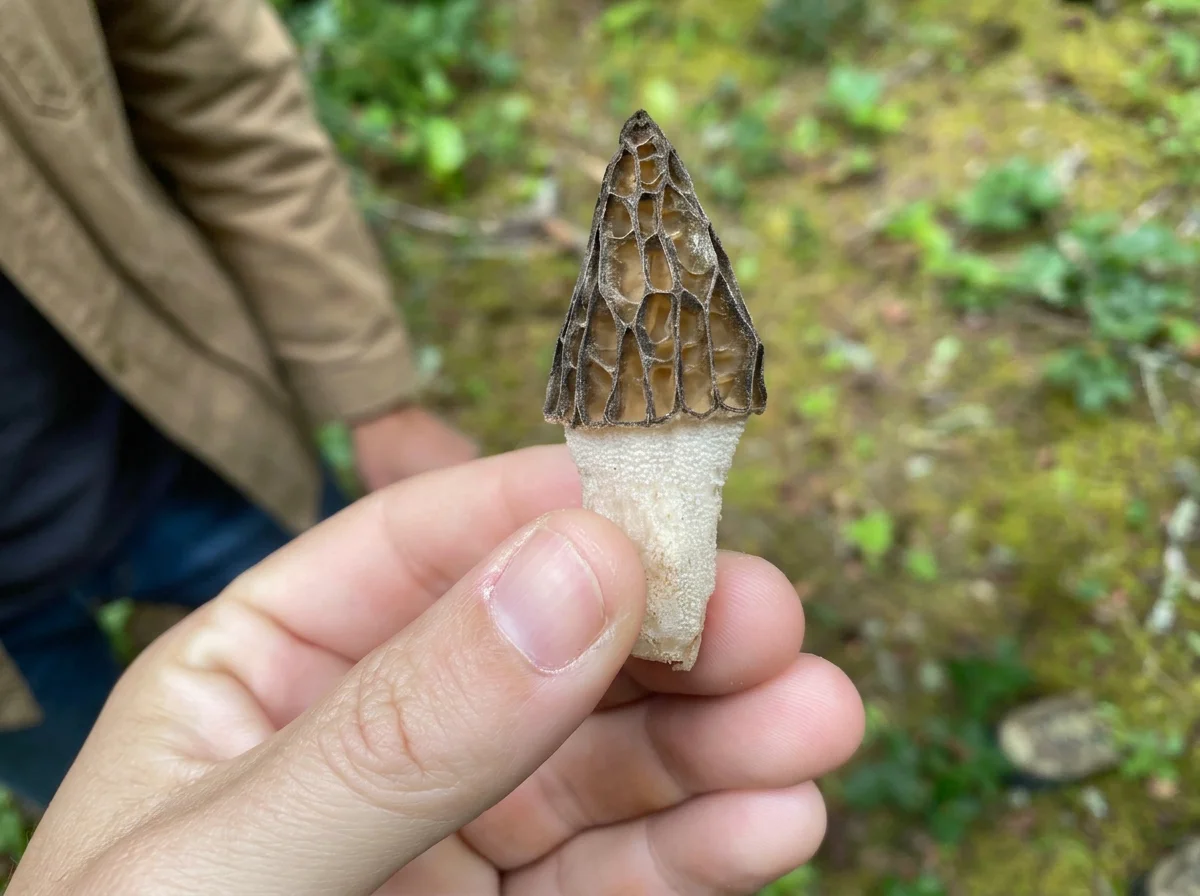
BLACK MOREL
Morchella elata
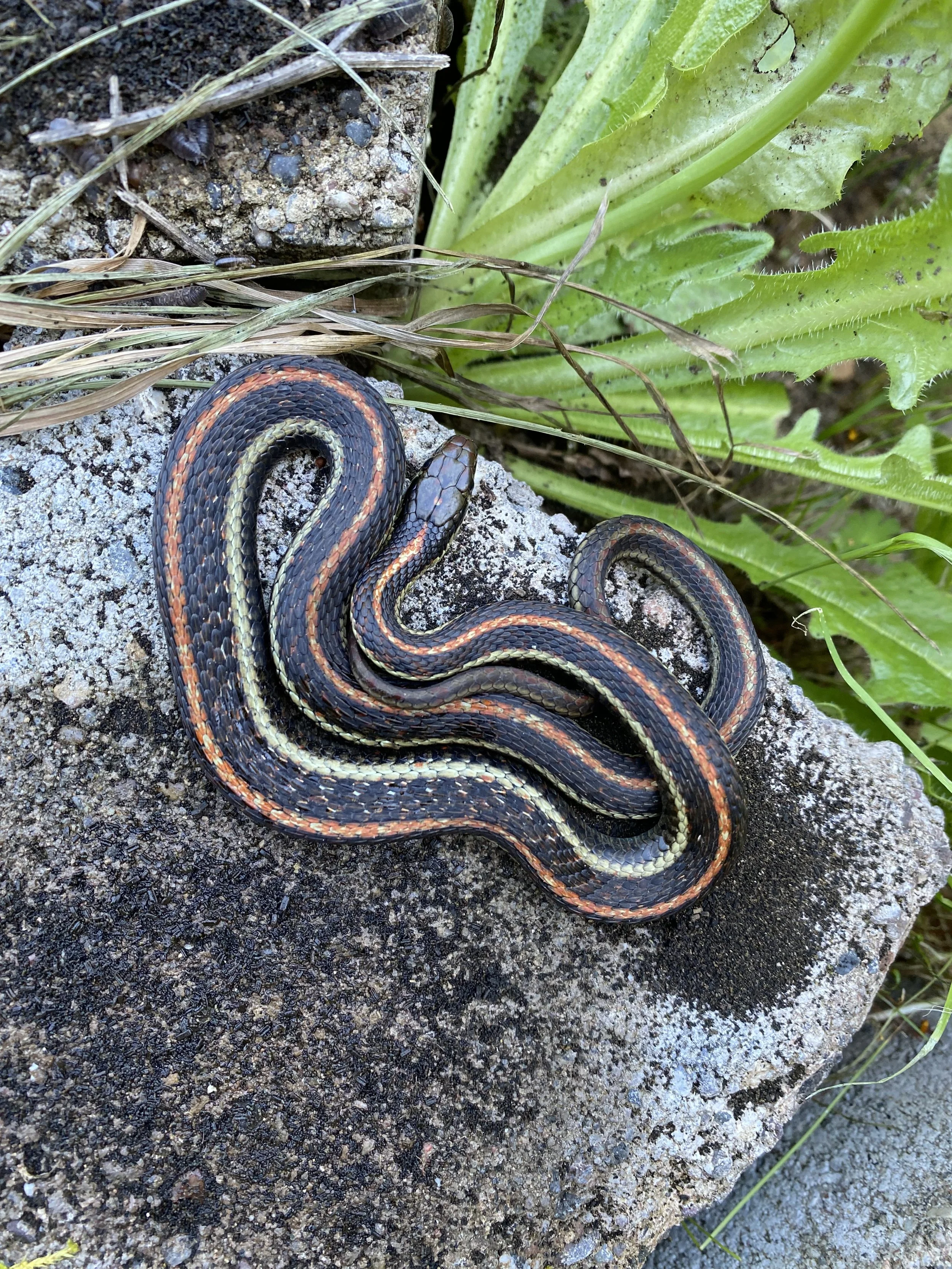
NORTHWESTER GARTER
Thamnophis ordinoides
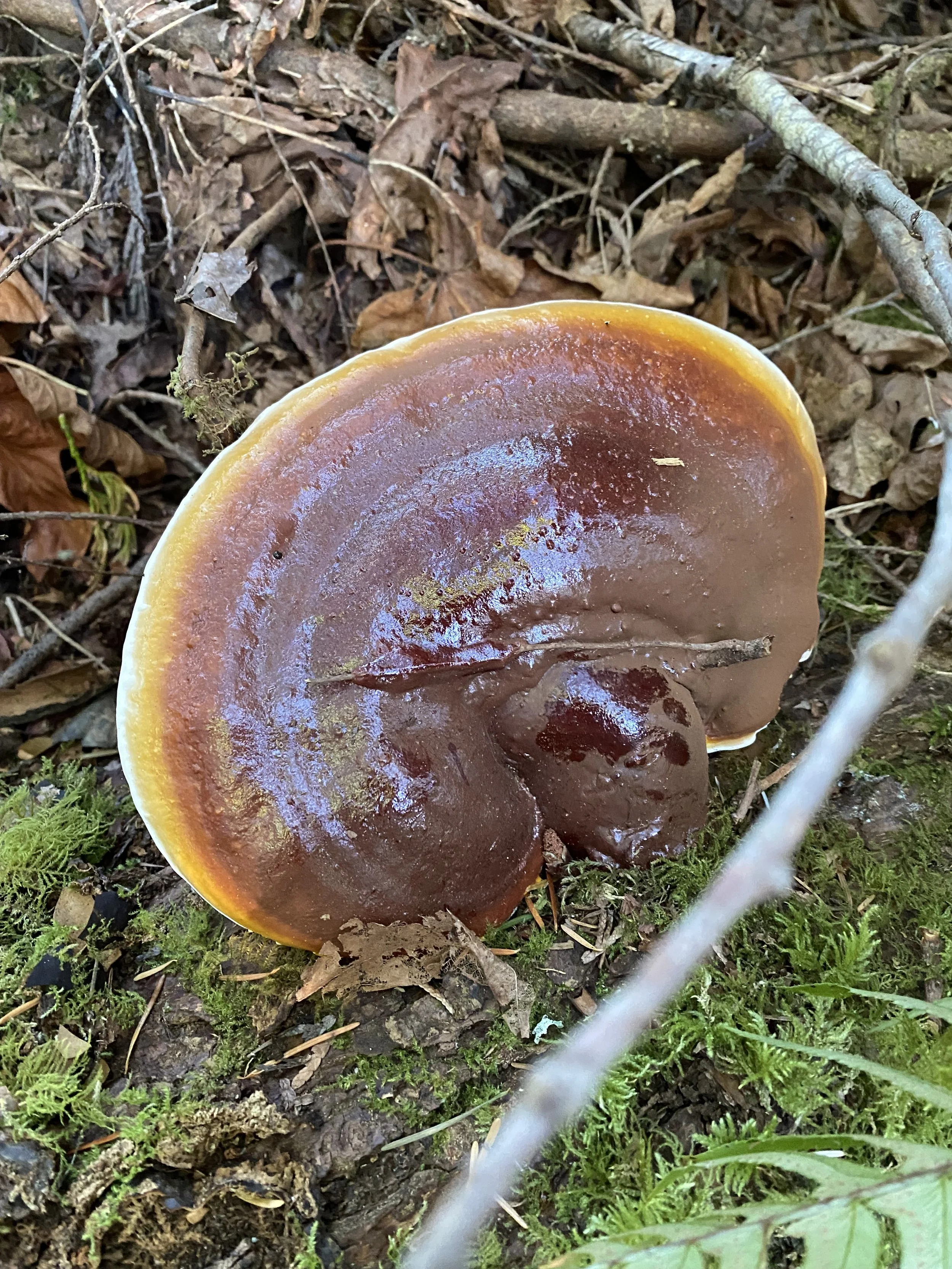
WESTERN VARNISHED CONK
Ganoderma oregonense
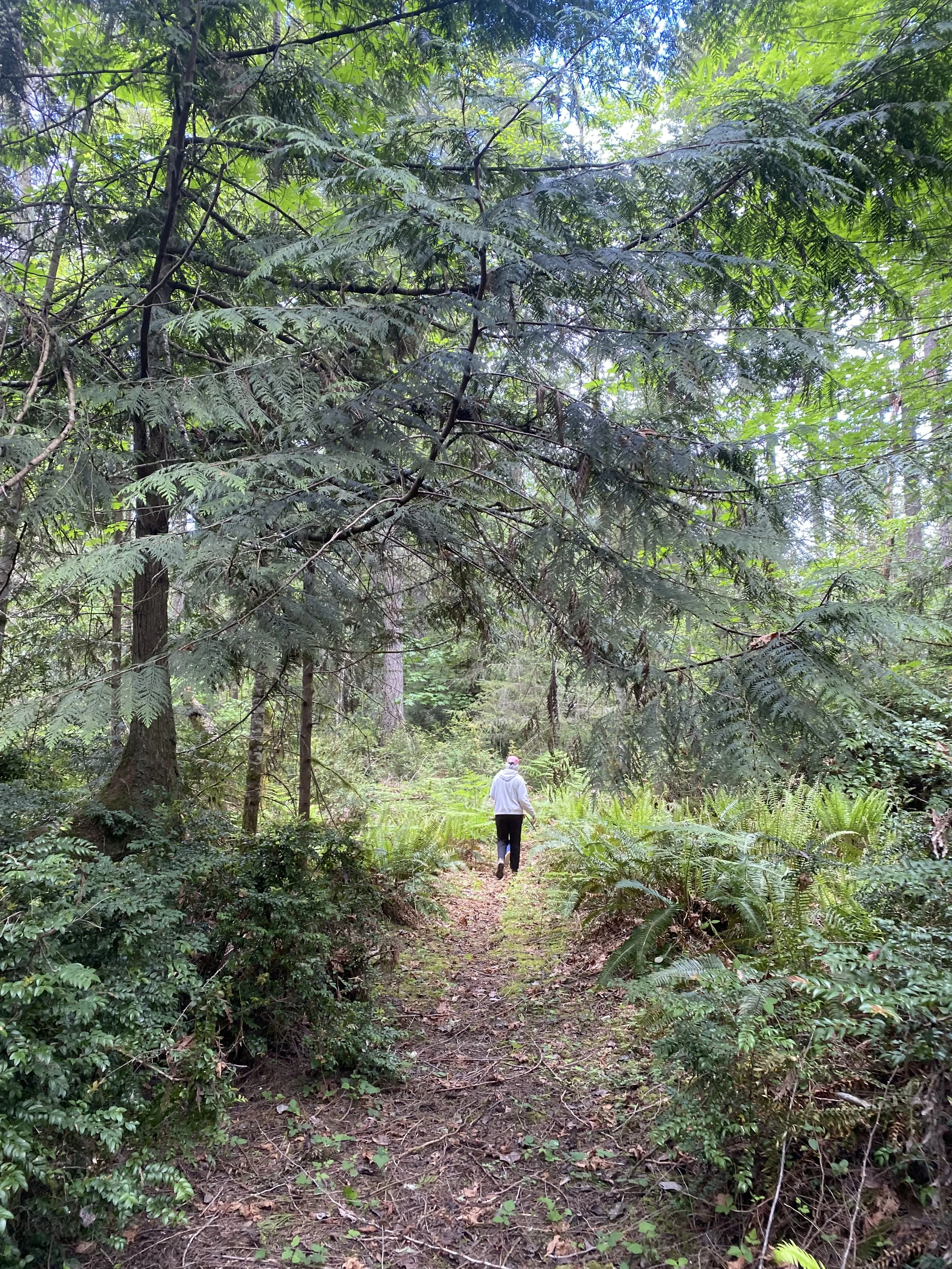
There’s something special happening in the forests of the Pacific Northwest right now. The air is cooler, the mornings are damp, and the first autumn rains are bringing new life to the forest floor. While summer is a season of growth and activity, autumn is a season of transition.
At Sound View Camp, tucked between the forests and shoreline of the Puget Sound, October brings changes both big and small. Some are easy to spot, like the golden leaves falling from bigleaf maples. Others are happening quietly beneath our feet.
Here are five things to look for the next time you take a walk in the woods.
1. Mushrooms Are Popping Up Everywhere
After the first good autumn rains, mushrooms begin appearing along trails, on fallen logs, and among the leaves.
But what we see above ground is only a small part of the story. Mushrooms are the fruiting bodies of fungi, much of which lives hidden in soil, wood, and other organic material.
Fungi play an essential role in a healthy forest. Some break down fallen trees, leaves, and other organic matter, returning nutrients to the soil. Others form remarkable partnerships with living trees, exchanging nutrients and water for sugars produced through photosynthesis.
Look closely: Can you find mushrooms growing on a fallen log? How many different shapes, sizes, and colors can you spot?
Remember to observe mushrooms without tasting them. Some of our local species are poisonous, and identification can be surprisingly tricky!
2. The Trees Are Taking Different Approaches to Winter
Walk through a Pacific Northwest forest in October and you’ll notice something interesting: some trees are dropping their leaves while others remain green.
Our bigleaf maples are turning yellow and dropping their enormous leaves onto the forest floor. By shedding their leaves, deciduous trees conserve resources during the colder, darker months.
Meanwhile, Douglas-firs, western hemlocks, and western redcedars keep their green foliage. Their needles and scale-like leaves are adapted to withstand winter conditions, allowing them to take advantage of opportunities for photosynthesis throughout the year.
Neither strategy is better. They’re simply different ways of surviving the changing seasons.
Try this: Find 3 different kinds of fallen leaves or needles. Compare their shapes, textures, and colors. Can you identify the trees they came from?
3. The Moss Is Coming Back to Life
One of the most beautiful things about our coastal forests is the thick carpet of moss covering logs, branches, and the ground.
During our dry Pacific Northwest summers, many mosses lose moisture and become dull, brittle, or dormant. But with the return of autumn rain, they can absorb water and quickly become green and vibrant again.
Unlike most familiar plants, mosses don’t have true roots. Instead, they absorb water directly across their surfaces.
This makes them especially responsive to changes in moisture and a wonderful example of how plants have adapted to their environments.
Take a closer look: Find a patch of moss growing on a log or tree. Look at its tiny leaves. Does it feel soft and springy, or dry and brittle? Visit the same patch after a few rainy days and see what’s changed.
4. The Animals Are Busy Preparing
The forest may seem quieter as the days grow shorter, but that doesn’t mean nothing is happening.
Douglas squirrels are busy gathering and storing food. Birds are searching for seeds, insects, and other resources. Some species are migrating, while others are preparing to spend the winter right here.
Even animals we rarely see leave behind clues: chewed cones, small holes in logs, tracks in the mud, and piles of seeds or nutshells.
Autumn is a wonderful time to practice one of the most important skills in outdoor education: slowing down and paying attention.
Become a forest detective: Look for three signs that an animal has been nearby. Can you figure out what it was doing?
5. The Forest Floor Is Recycling Summer’s Growth
All those falling leaves, branches, and needles might look like a mess, but they’re actually part of one of the forest’s most important processes.
Decomposers, including fungi, bacteria, and tiny invertebrates, gradually break down dead organic material. Over time, nutrients are released and become available to support new growth.
That fallen log beside the trail isn’t simply a dead tree. It’s habitat for insects, fungi, mosses, and eventually young plants. As it decomposes, it helps nourish the next generation of forest life.
In a healthy forest, very little goes to waste.
Explore: Find a fallen log in different stages of decomposition. What is growing on it? What creatures might be living inside? How is it slowly becoming part of the forest floor?
Take an October Noticing Walk
One of our favorite things about outdoor education is that you don’t need special equipment, a complicated lesson plan, or even a destination to learn something wonderful outside.
Sometimes all it takes is fifteen minutes and a little curiosity.
This October, head outside with your family or a friend and see if you can find:
Something growing
Something decomposing
Something changing color
Evidence of an animal preparing for winter
Something you’ve never noticed before
You don’t have to know the names of everything you find. In fact, some of the best outdoor learning begins with a simple question: I wonder what that is?
Here at Sound View Camp, we’re fortunate to be surrounded by forests, wetlands, and the waters of the Salish Sea. Every season brings new opportunities to explore, observe, and understand the natural world.
And right now, the forest is reminding us that autumn isn’t simply the end of summer. It’s the beginning of an entirely new season of life.
We’ll see you out on the trails!
Sound View Camp
Longbranch, Washington